


World Kombucha Day: Celebrate the Sparkling History of Kombucha
Every year on February 21, World Kombucha Day is celebrated. The promotional day invites kombucha fans to discover the variety of the fermented tea drink – whether homebrewed or store-bought. It is a good opportunity to learn more about the history of kombucha, try different varieties, and get creative with flavors and ingredients.
1. The History of Kombucha – More Than a Trend
Kombucha has a long history, whose exact origins are not fully clarified. The drink is often associated with China and East Asia. However, the frequently mentioned year of 200 BCE cannot be considered reliable historical evidence for the first production of kombucha.
The origin of the name “kombucha” is also not clearly established. A common explanation links the term to Japan and the Japanese words “kombu” and “cha”. However, this designation is also used today for a traditional seaweed drink. The history of the name is therefore more complex than the simple translation “mushroom tea” suggests.
Over time, kombucha spread through various regions and trade routes. It became particularly well known in Russia and other parts of Eastern Europe. In recent decades, kombucha has also gained new attention in Europe and North America.
Today, kombucha represents the combination of traditional fermentation and modern flavor ideas. Depending on the tea, ingredients, and production process, the drink can taste mild, fruity, tart, or distinctly sour.
2. Myths About Kombucha
There are some common misconceptions about kombucha. Here is what you should know:
-
“Kombucha is a miracle cure”: No. Kombucha is a fermented drink and not a remedy for treating or curing diseases. Depending on how it is made, it may contain live microorganisms.
-
“The SCOBY is dangerous or toxic”: A SCOBY is a community of yeasts and bacteria that plays a role in kombucha fermentation. For safe production, clean working practices, suitable ingredients, and proper fermentation management are important. If visible mold appears, the entire starter should be discarded.
-
“Kombucha is always sweet”: This is not true. During fermentation, microorganisms metabolize some of the sugar. How sweet or sour the finished drink tastes depends, among other things, on the recipe and fermentation time.
3. Interesting Facts About Kombucha
Kombucha is more than a sparkling drink. These facts make fermentation particularly fascinating:
-
Ingredients: Classic kombucha is usually made from sweetened tea, water, and a kombucha culture. Depending on the recipe, fruit, herbs, and spices can also add flavor.
-
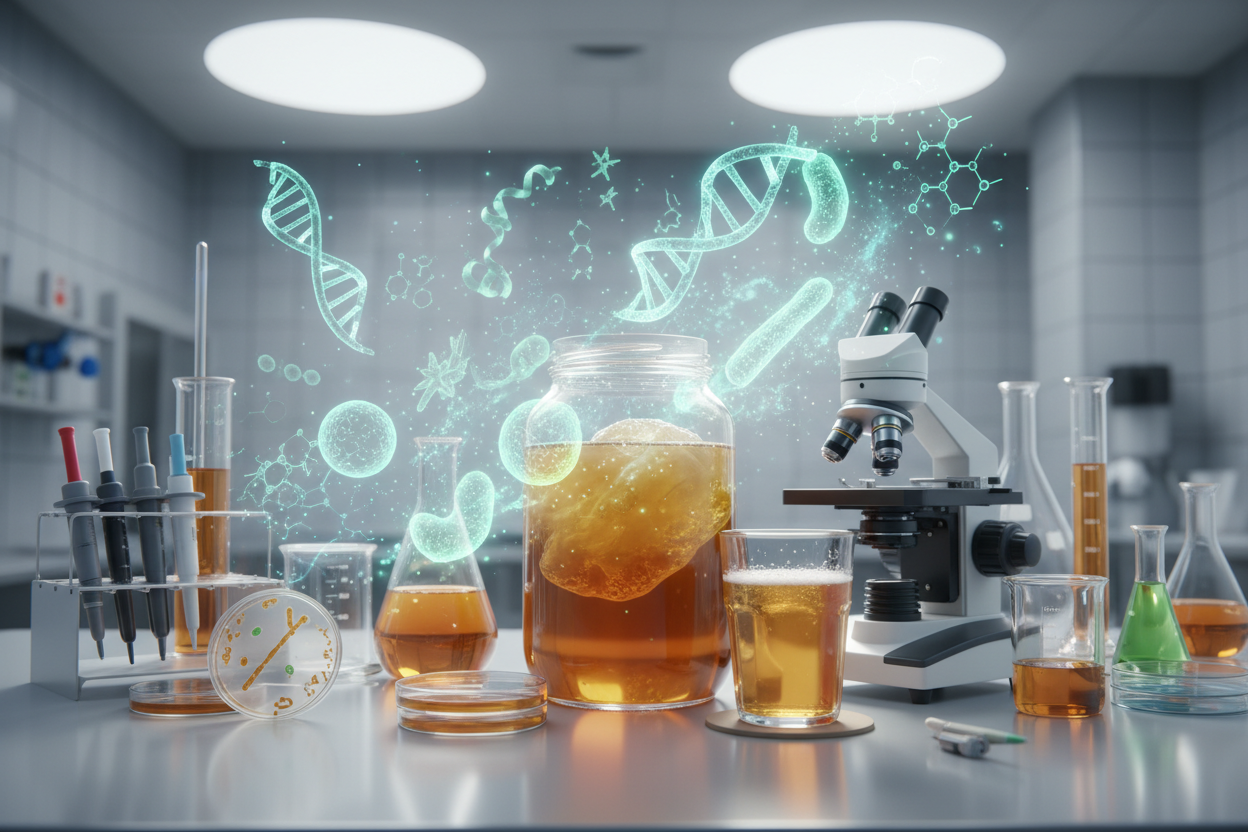
Fermentation: During fermentation, yeasts and bacteria work together and convert some of the sugar into various metabolic products. These can include organic acids, carbon dioxide, and small amounts of alcohol.
-
Microorganisms: The kombucha culture includes various microorganisms. Which types and quantities actually occur in the finished drink depend on the culture and production process.
-
Different types of tea: Black or green tea is often used for kombucha. White tea can also be suitable. The tea base influences the aroma of the finished drink.
-
Tradition meets modernity: Today, kombucha is offered in many flavors – from classic and tart to fruity varieties. The recipes and production processes can differ significantly.
4. How to Celebrate World Kombucha Day
February 21 is a great occasion to rediscover kombucha – alone, with friends, or together with other kombucha fans. Here are a few ideas:
-
Compare varieties: Try different flavors and pay attention to differences in sweetness, tartness, and aroma.
-
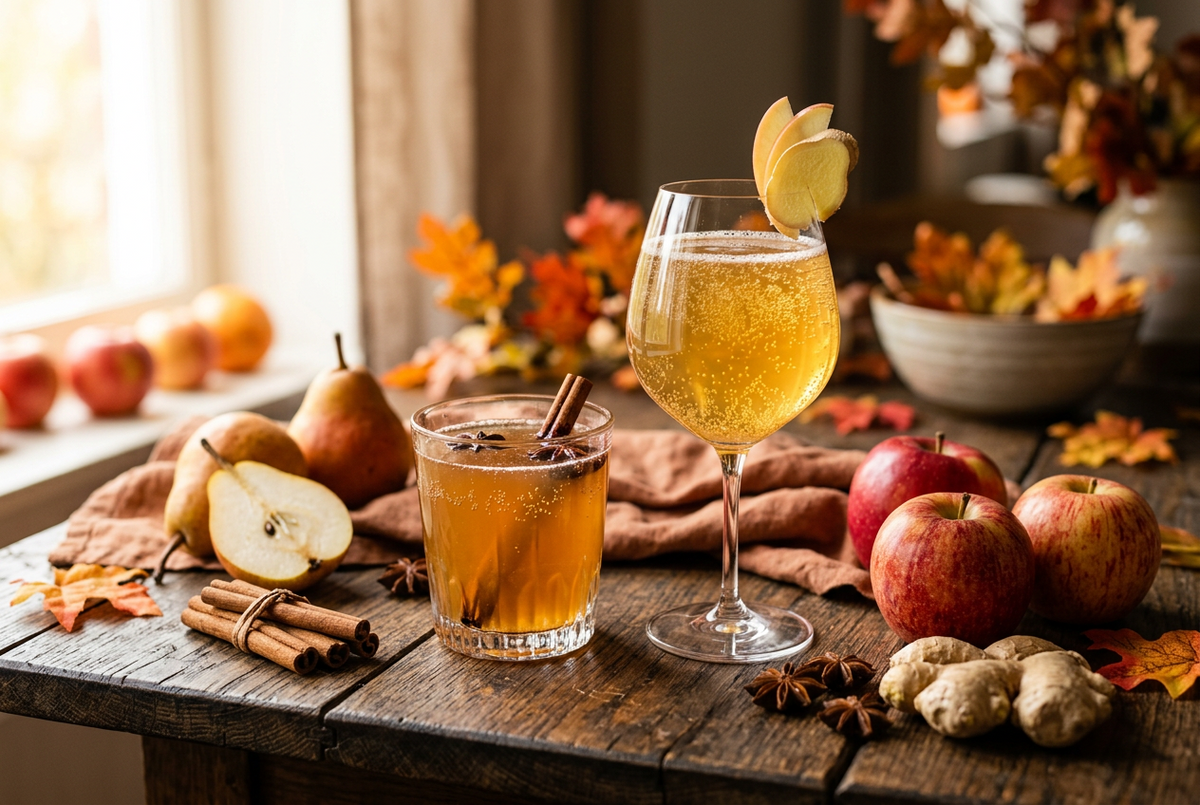
Try your own creations: Combine kombucha with fresh herbs, citrus fruits, or spices, for example.
-
Learn more about fermentation: Explore the ingredients, the role of the culture, and the individual steps of production.
-
Share your favorites: Share your kombucha moments and recipe ideas on social media and exchange ideas with other fans.
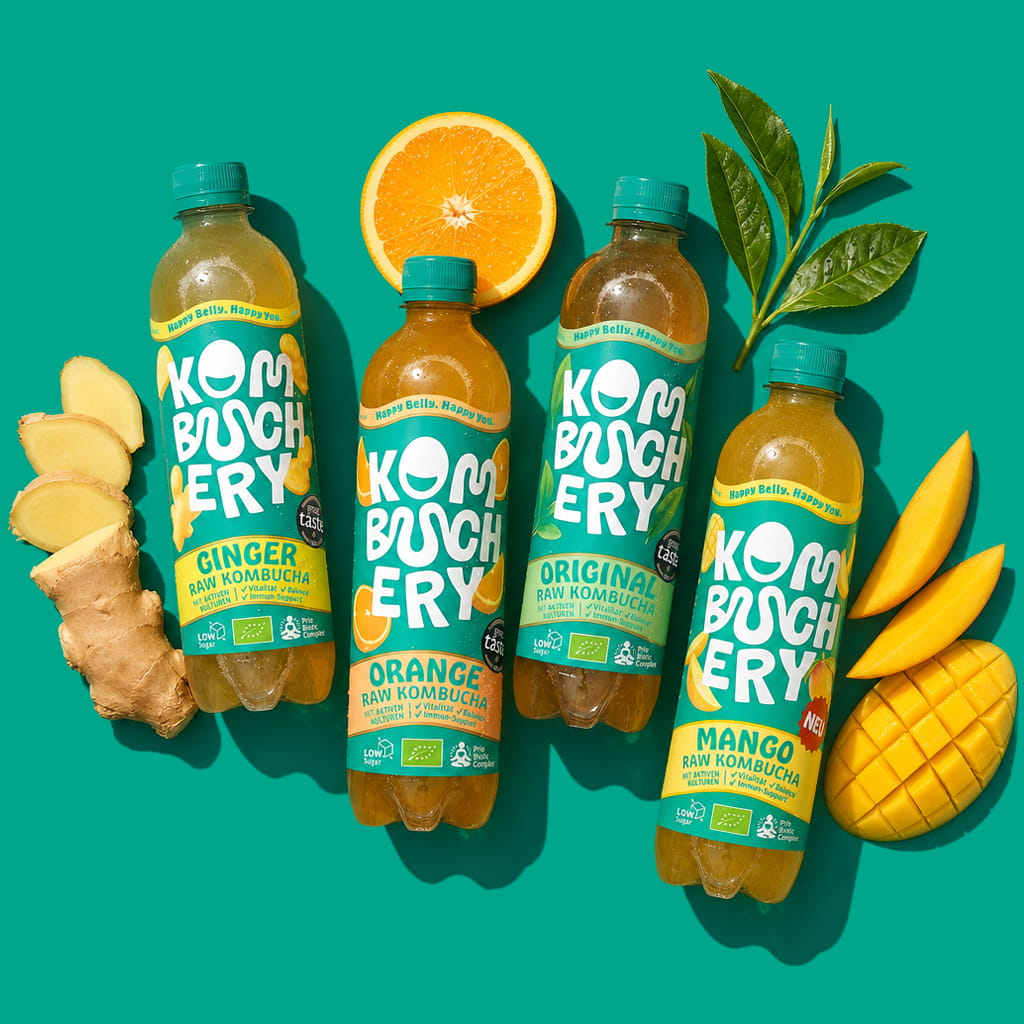
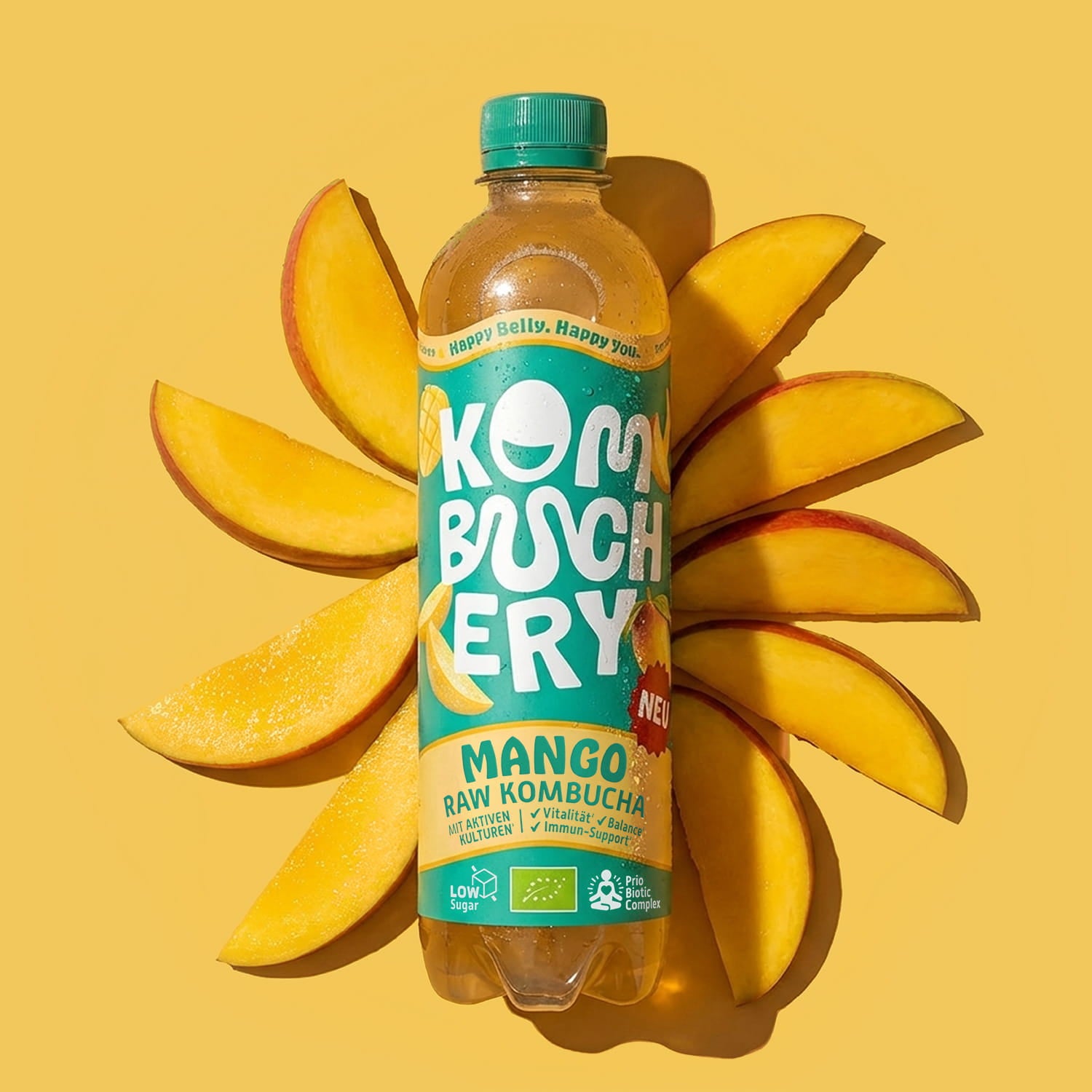
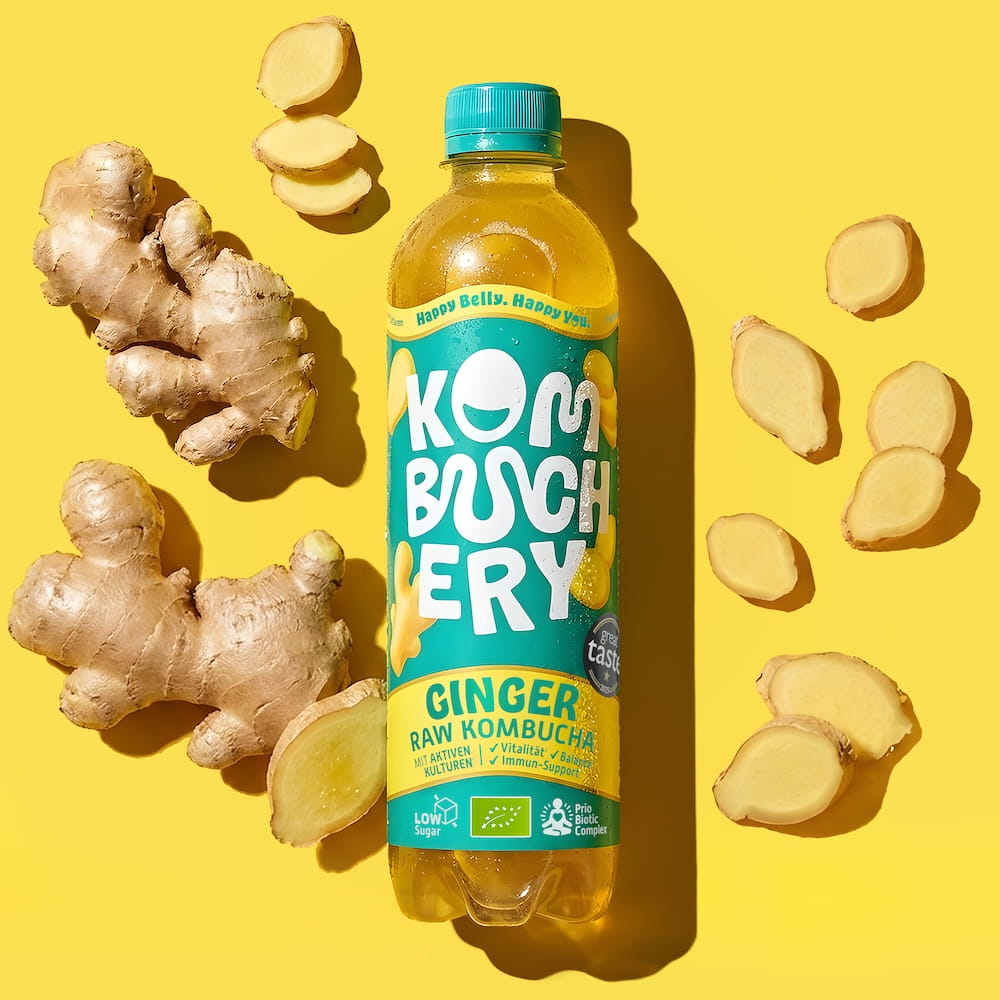
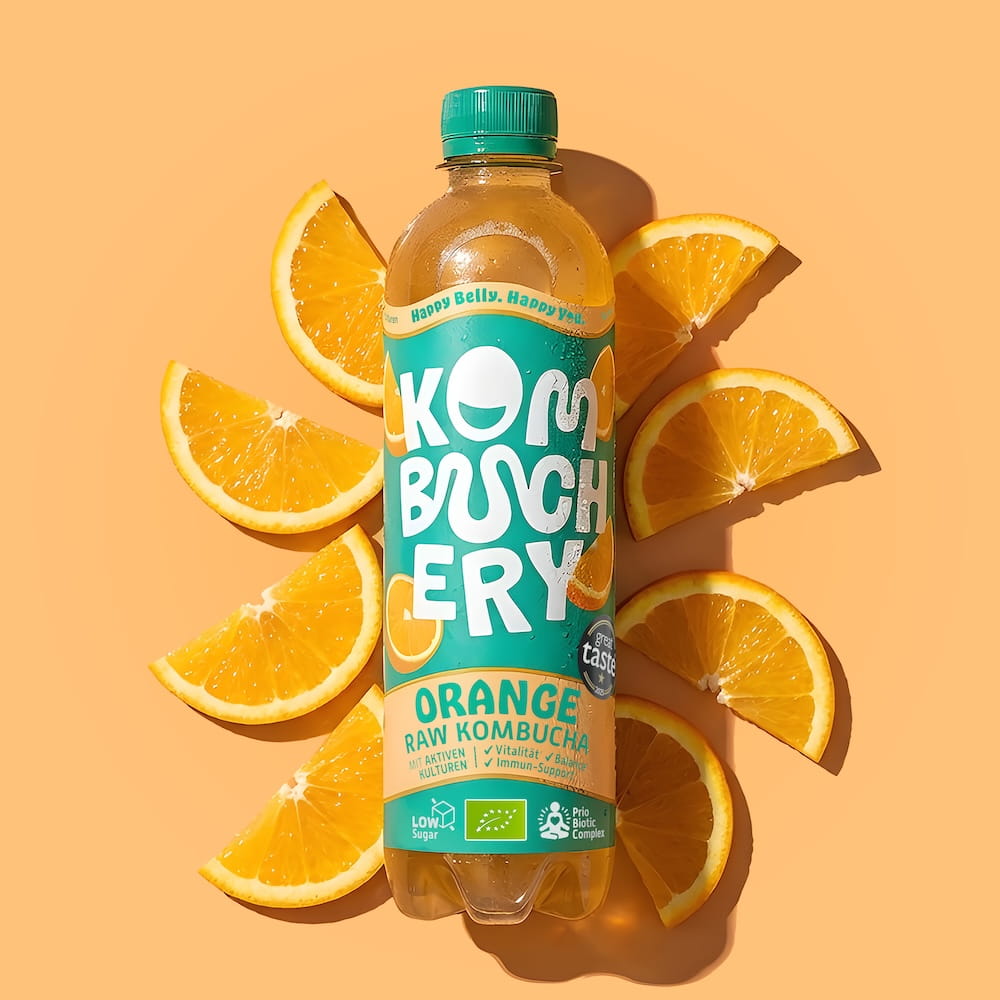
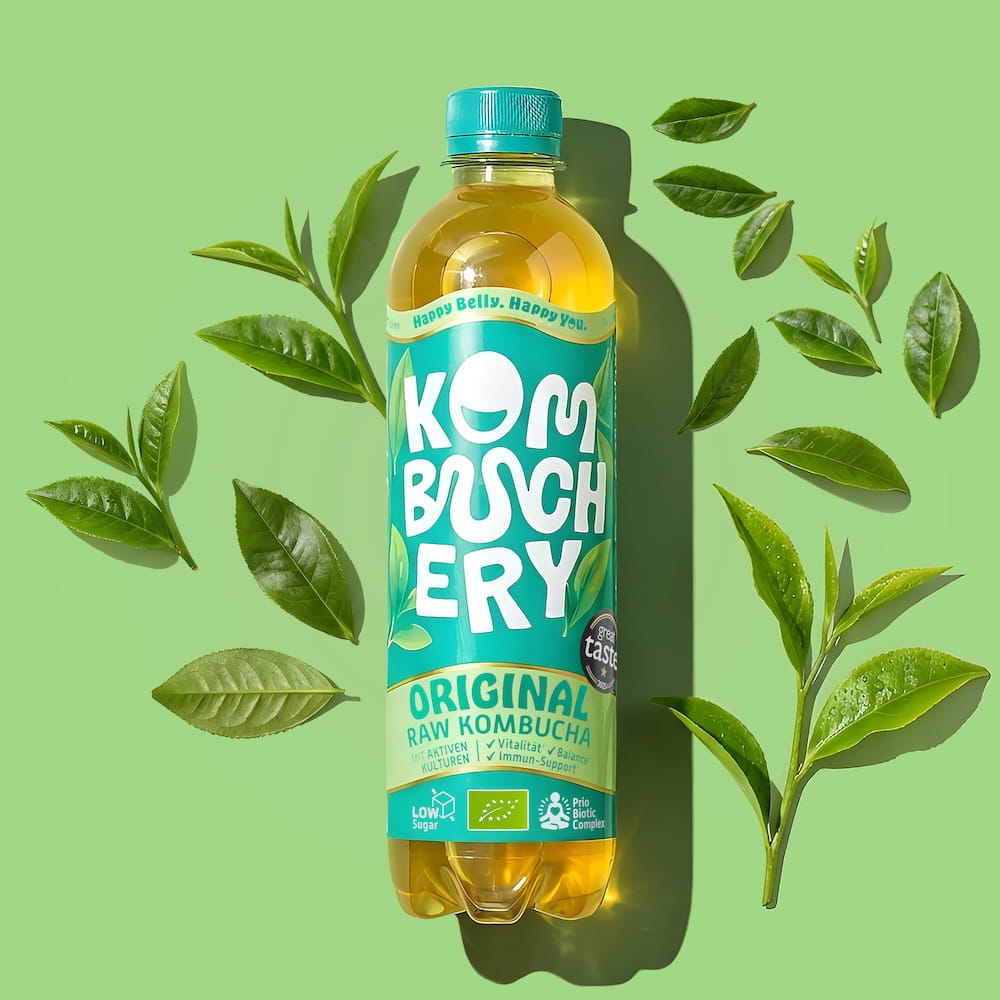
If you prefer trying ready-made varieties, you can use World Kombucha Day to discover different flavors. You might discover a new favorite.
5. Kombucha Quiz – Test Your Knowledge
How well do you know kombucha? Answer the ten questions and then compare your answers with the solution.
Question 1: Which country is the early history of kombucha often associated with?
A) Japan
B) China
C) Russia
Question 2: What does the abbreviation SCOBY stand for?
A) Symbiotic Culture of Bacteria and Yeast
B) Sweet Culture of Brewed Yeast
C) Special Collection of Botanical Yeasts
Question 3: Which ingredients are usually required for classic kombucha?
A) Water, sugar, tea, and kombucha culture
B) Milk, sugar, and baking yeast
C) Fruit juice, water, and baking yeast
Question 4: Which statement about the microorganisms in a SCOBY is correct?
A) A SCOBY contains only yeasts
B) A SCOBY is a community of yeasts and bacteria
C) A SCOBY consists only of tea leaves
Question 5: What happens during kombucha fermentation?
A) Microorganisms metabolize some of the sugar and form various metabolic products
B) The sugar is generally completely removed
C) The drink always becomes sweeter through fermentation
Question 6: What characterizes classic kombucha?
A) It is made from fermented tea
B) It always tastes exclusively sweet
C) Depending on how it is made, it may contain live microorganisms
Question 7: Is the first production of kombucha in 200 BCE historically clearly documented?
A) Yes, the exact year is confirmed
B) No, the exact origins are not fully clarified
C) Yes, kombucha was first produced in Europe at that time
Question 8: Does kombucha always taste sweet?
A) Yes, always
B) No, its taste can range from sweet to tart
C) Only homemade kombucha can taste tart
Question 9: Which types of tea can serve as a base for kombucha?
A) Green tea
B) Black tea
C) White tea
Question 10: How can different kombucha products differ?
A) Through ingredients and sugar content
B) Through production processes and fermentation
C) Through the tea base used and further processing
The World Kombucha Day on February 21 offers an opportunity to discover the history, production, and flavor variety of kombucha – whether you ferment it yourself or try ready-made varieties. Here’s to a sparkling day!
Solution
B) China. China is often associated with the early origins of kombucha. However, the exact history of its creation is not conclusively established.
A) Symbiotic Culture of Bacteria and Yeast. This refers to a community of bacteria and yeasts.
A) Water, sugar, tea, and kombucha culture. These ingredients form the usual basis for classic kombucha.
B) A SCOBY is a community of yeasts and bacteria.
A) Microorganisms metabolize some of the sugar and form various metabolic products.
A and C. Kombucha is made from fermented tea and may contain live microorganisms depending on how it is made.
B) No, the exact origins are not fully clarified.
B) No, its taste can range from sweet to tart.
A, B, and C. Green, black, and white tea can all be suitable as a base.
A, B, and C. Ingredients, sugar content, tea base, fermentation, and processing can differ.
The Most Important Things to Know About World Kombucha Day
- World Kombucha Day is celebrated on February 21.
- Kombucha is a fermented tea drink whose exact historical origins are not fully clarified.
- Sweetened tea and a kombucha culture are usually used for production.
- Taste, sugar content, and microorganisms can vary depending on the product and production process.
- The promotional day is an opportunity to try different varieties and learn more about fermentation.




Share: