



Mate tea meets kombucha
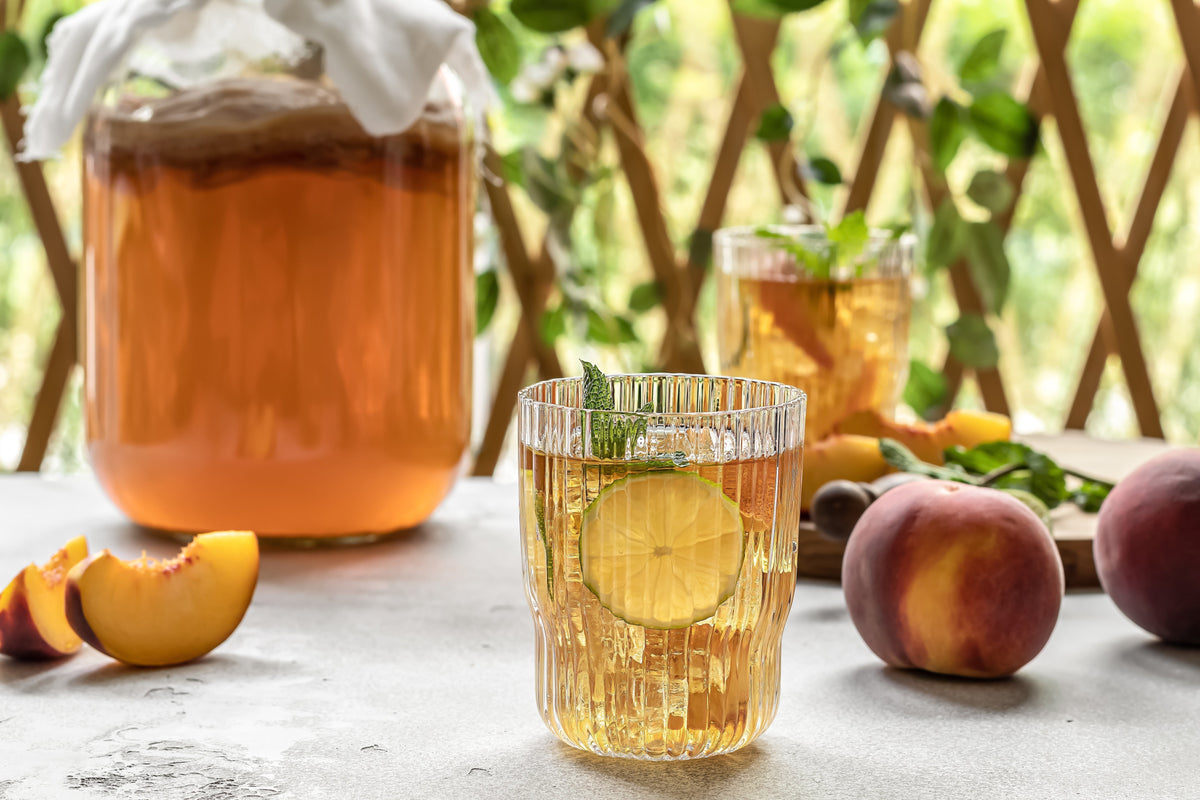
Mate and kombucha can be combined for an exciting flavor profile: the characteristically bitter, slightly smoky taste of mate meets the typical sweet-tart note of fermented kombucha.
Mate tea has a long tradition, especially in South America. Yerba mate is particularly well known for its natural caffeine content. It also contains various plant compounds, including polyphenols and theobromine.
But what is really behind mate tea? How much caffeine does it contain, how is it traditionally prepared, and what should you consider when choosing it?
How is mate tea traditionally prepared and drunk?
Mate tea is made from the leaves of the mate bush (Ilex paraguariensis). More precisely, it is not a classic tea, because the mate plant does not belong to the tea plant Camellia sinensis.
Mate is mainly grown in South American countries such as Argentina, Brazil, and Paraguay, where it is firmly rooted in everyday culture.
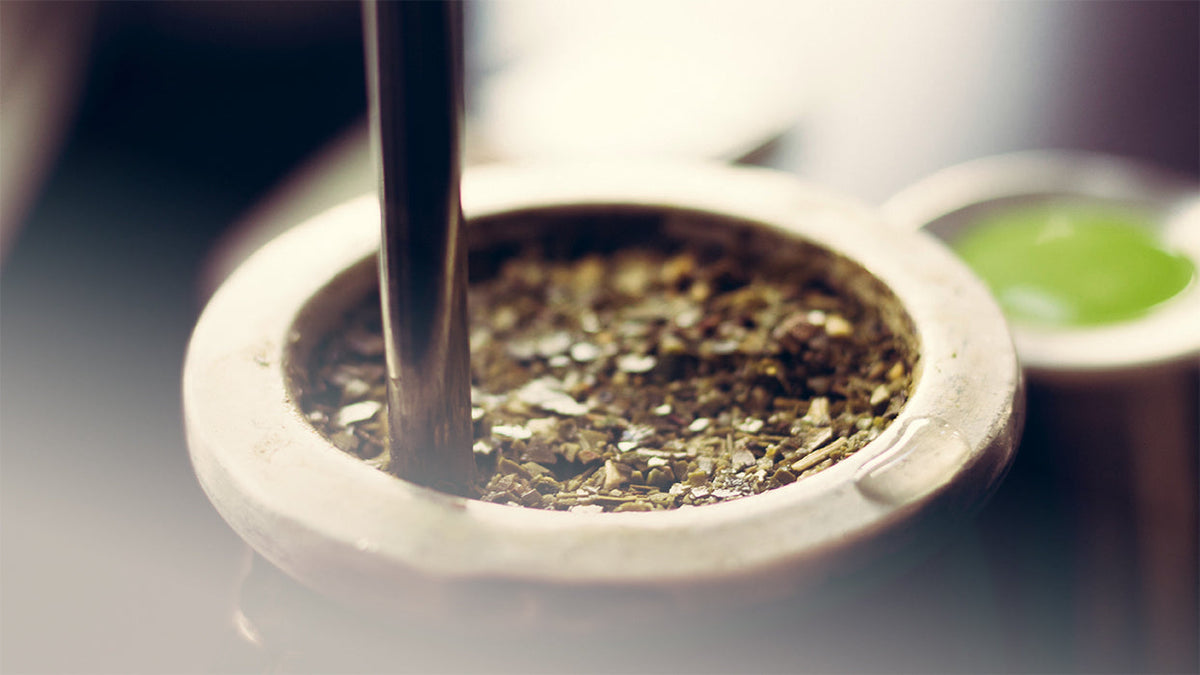
The dried and crushed mate leaves are also known as yerba mate. Traditionally, they are placed in a special vessel, the calabash, and filled with water. Mate is often drunk through a bombilla, a drinking straw with an integrated strainer. This keeps the mate leaves in the vessel so they can be refilled multiple times.
Mate is also widespread in Brazil and is drunk in different forms depending on the region and method of preparation.
How to prepare hot mate tea yourself
- Fill the calabash about halfway with mate leaves.
- Cover the opening with your hand, carefully turn the calabash upside down, and shake it gently. This distributes the coarser and finer components of the yerba.
- Add some warm water and let the mate leaves steep briefly.
- Insert the bombilla into the calabash.
- Then slowly pour in warm, not boiling water. A water temperature of about 70 to 80 °C is ideal.
- After a short steeping time, you can drink the mate tea and then refill it multiple times.
Mate tea as a caffeinated coffee alternative
Anyone who likes to drink a caffeinated beverage in the morning or between meals will find mate tea an interesting alternative to coffee.
Yerba mate naturally contains caffeine. How high the caffeine content actually is depends on several factors, including the amount of mate used, the preparation, the water temperature, and the number of infusions. Therefore, it cannot be said generally that mate contains less caffeine than coffee or has a fundamentally "gentler" effect.
In addition to caffeine, mate contains other natural plant compounds such as polyphenols and theobromine. The actual amounts of these in a cup of mate tea also depend on the raw material and preparation.
Anyone who is sensitive to caffeine should therefore also consider their individual tolerance and the amount consumed when drinking mate tea.
What effect does mate tea have?
Mate tea has been drunk traditionally for a long time and, due to its composition, is also the subject of scientific research.
Its natural caffeine content is particularly well known. Caffeine can increase attention and concentration when consumed in sufficient amounts. The effect depends on several factors, including the amount consumed and individual sensitivity.
In addition, yerba mate contains various polyphenols and other plant compounds whose properties are being scientifically investigated.
However, the presence of individual plant compounds does not automatically mean that mate tea stimulates digestion, inhibits inflammation, has antibacterial effects, slows down the aging process, or helps with weight loss. Such blanket claims about the effects of mate tea are therefore not useful.
How much caffeine does mate tea contain?
The caffeine content of mate tea can vary considerably. Key factors include the type of mate, the amount used, the steeping time, the water temperature, and the number of infusions.
Therefore, a direct comparison such as "mate contains less caffeine than coffee" is not very meaningful without specific quantity information.
For both beverages, anyone who does not tolerate caffeine well should adjust the amount consumed accordingly. The timing of consumption can also play a role, as caffeine can affect sleep.
What should you look for regarding the origin of mate tea?
When it comes to mate tea, it is worth looking at the origin, processing, and quality of the raw material.
The drying of the mate leaves is a particularly relevant issue. Certain traditional drying and smoking methods can produce polycyclic aromatic hydrocarbons, or PAHs. The level of exposure can vary depending on the manufacturing process and product.
Organic quality sets additional requirements for organic farming and the use of certain pesticides. However, this does not automatically mean that a product is completely free of all residues or unwanted substances.
Therefore, in addition to organic certification, you should also look for a trustworthy manufacturer, transparent origin, and controlled processing.
Mate kombucha: When bitter mate meets fermentation
Even though mate is not currently one of our kombuchery varieties, this combination shows how versatile kombucha can be in terms of flavor.
The bitter character of yerba mate can be combined with the natural tartness of a fermented tea beverage. At the same time, mate naturally contains caffeine.
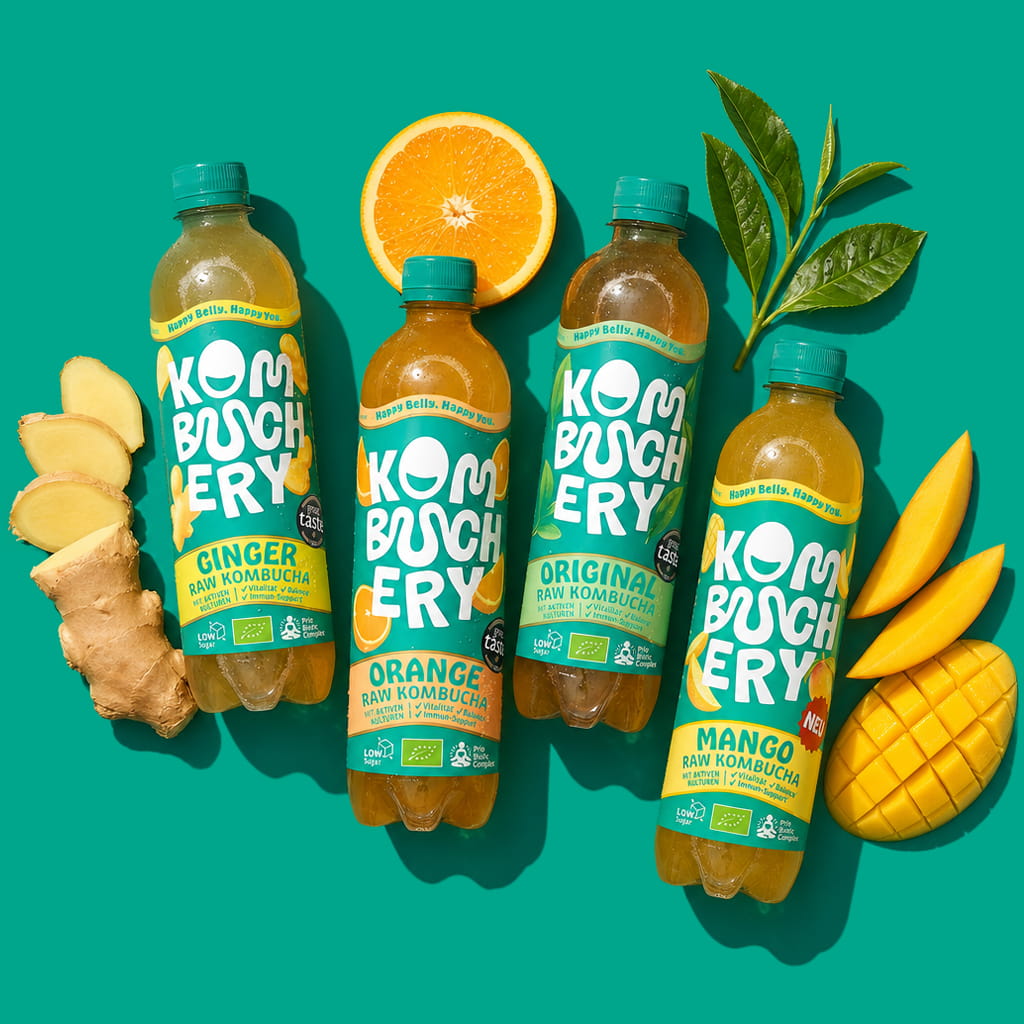
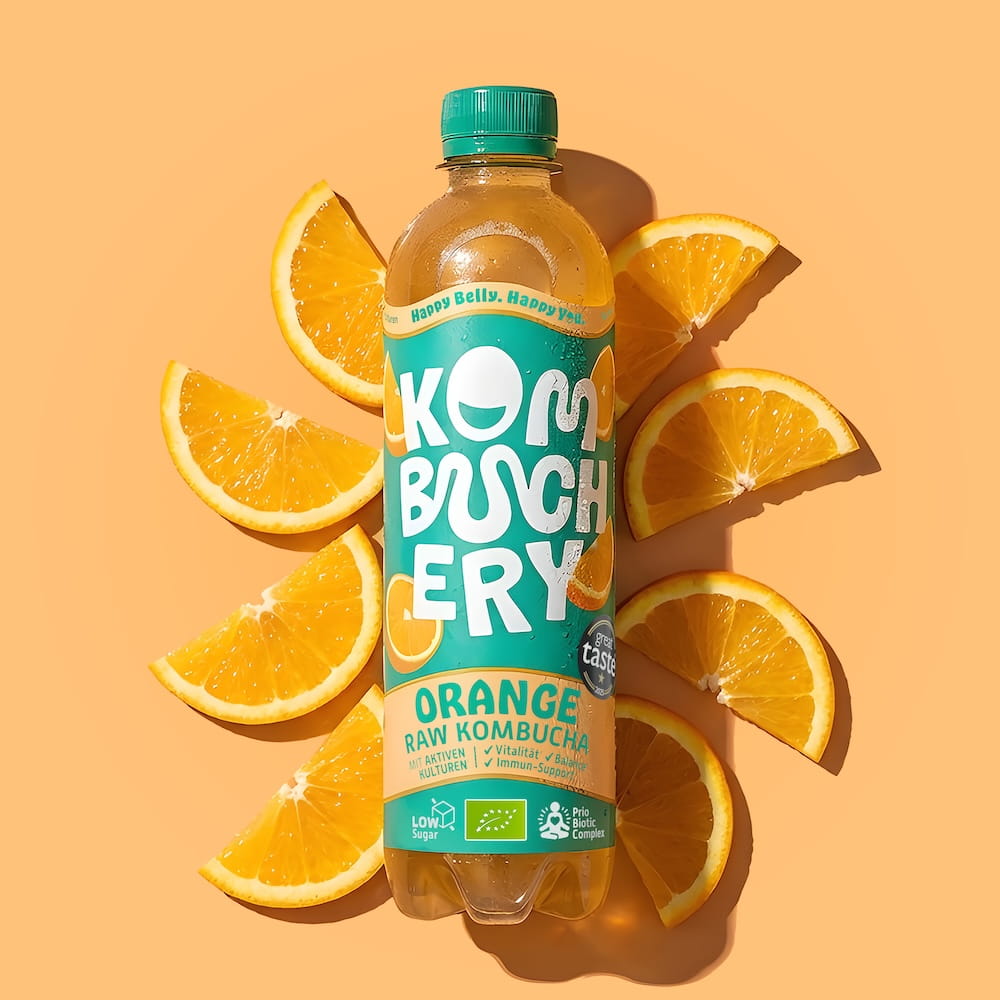
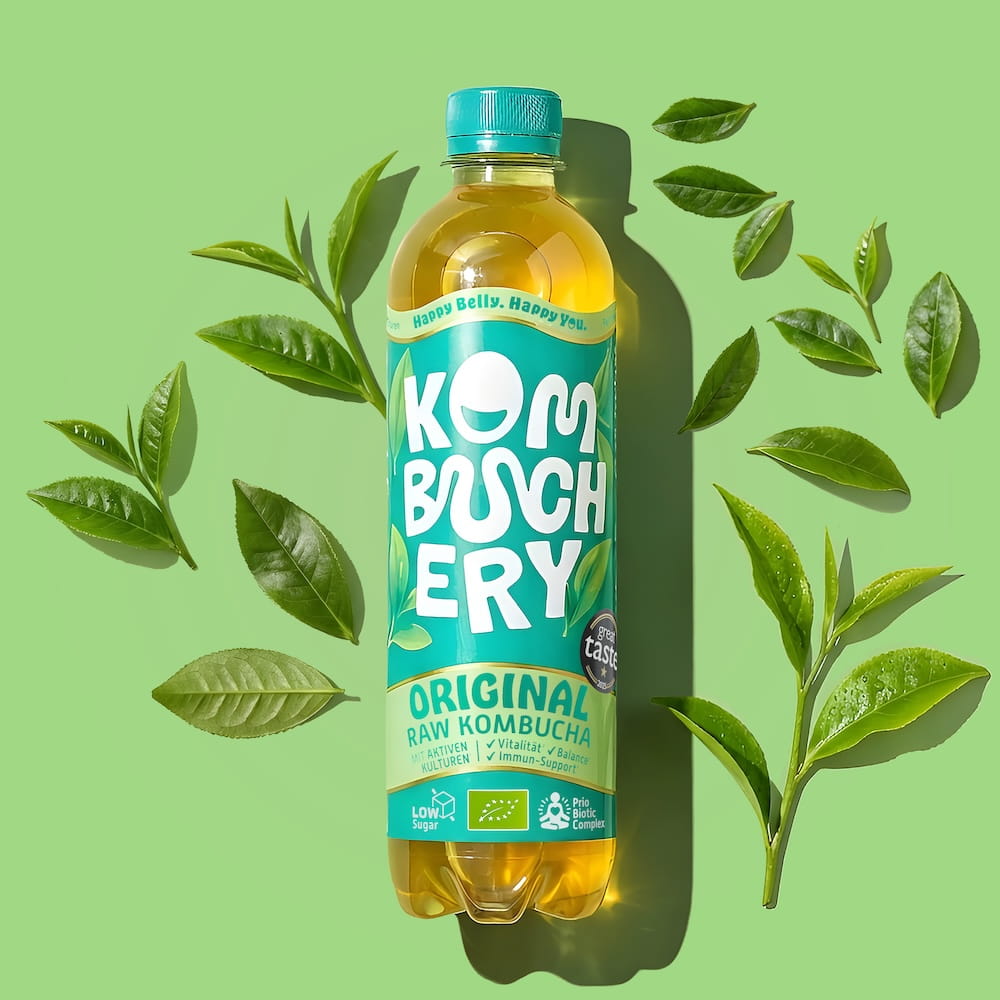
If you would like to drink kombuchery today, you can find our current raw kombucha varieties directly in our shop.
Mate tea: The most important things at a glance
- Origin: Mate is made from the leaves of the Ilex paraguariensis plant and is particularly widespread in South America.
- Preparation: Traditionally, yerba mate is steeped in a calabash with warm water and drunk through a bombilla.
- Caffeine: Mate naturally contains caffeine. The amount depends on the preparation and the amount of mate used.
- Effect: Caffeine can increase attention when consumed in sufficient amounts. Further health effects cannot be inferred from the plant compounds alone.
- Quality: Origin and drying methods can be relevant to product quality. Organic quality is no guarantee of being completely free of residues.
Frequently asked questions about mate tea
How do you prepare mate tea properly?
For traditional preparation, place yerba mate in a calabash, let the leaves steep briefly with some warm water, and insert the bombilla. Then pour in warm water at about 70 to 80 °C. The leaves can be refilled multiple times.
Does mate tea contain more caffeine than coffee?
This cannot be said generally. The caffeine content of both beverages varies depending on the amount and preparation. For a meaningful comparison, specific portion sizes and preparation methods must be considered.
Is mate tea a healthy alternative to coffee?
Mate tea is a caffeinated beverage alternative to coffee and also contains various plant compounds. Whether it is better suited to you depends on your taste, caffeine sensitivity, and drinking habits. No blanket health benefits can be inferred from the plant compounds alone.
Can mate tea be refilled multiple times?
Yes. In traditional preparation, the mate leaves in the calabash are refilled multiple times with warm water. The taste and caffeine content of each infusion may change.
What should you consider when buying mate tea?
Look for a traceable origin, a trustworthy manufacturer, and transparent information about processing. For traditionally smoked mate, the drying method can be relevant, as PAHs can be produced. An organic seal alone does not guarantee that a product is completely free of unwanted substances.




Share: