

What You Should Also Know About Kombucha
1. Kombucha Shelf Life
How long kombucha lasts depends on how it is made, bottled, and stored. Because of this, it is not possible to give a general shelf life of several months for homemade kombucha.
The microorganisms in kombucha can remain active even after bottling. Homemade kombucha should therefore be stored in a cool, dark place and regularly checked for changes in smell, taste, and appearance.
Kombuchery is made under controlled conditions and can be stored uncooled unopened. After opening, you should store the bottle in the refrigerator and enjoy it promptly.
2. Kombucha as a Vinegar Substitute
If you ferment your homemade kombucha for a little longer, it will become significantly more sour over time. Thanks to its intense, tart taste, such kombucha can be used as an alternative to vinegar in salad dressings, marinades, or other recipes.
How sour the kombucha actually becomes depends on the culture, fermentation time, and specific conditions.
3. How Much Alcohol Is in Kombucha?
During kombucha fermentation, small amounts of alcohol can be produced in addition to organic acids and carbon dioxide. The alcohol content depends on several factors, including the culture, sugar content, temperature, fermentation time, and manufacturing process.
The alcohol content of homemade kombucha can therefore vary significantly. In contrast, industrially produced kombucha is made under controlled conditions and regularly tested.
Due to the production process, Kombuchery contains only small amounts of alcohol, with a maximum alcohol content of 0.5% ABV.
4. Kombucha During Pregnancy
Kombucha can contain small amounts of alcohol and, depending on the tea used, caffeine as well. Pregnant and breastfeeding women should therefore consider on an individual basis whether kombucha is suitable for them.
If in doubt, it is advisable to discuss your individual diet during pregnancy and breastfeeding with a doctor or a nutrition professional.
5. Kombucha and the Immune System
Fermented foods such as kombucha are the focus of nutritional research due to their microorganisms and fermentation products. However, this alone does not allow for a general conclusion about kombucha's effect on the gut or immune system.
Kombuchery also contains natural vitamin C from acerola. Vitamin C helps maintain normal immune system function and also helps protect cells from oxidative stress.*
This is how Kombuchery combines natural raw kombucha with millions of active cultures and vitamin C for your daily routine.
6. Kombucha Ingredients
The ingredients in a kombucha depend on the culture used, the tea, the recipe, and the fermentation conditions.
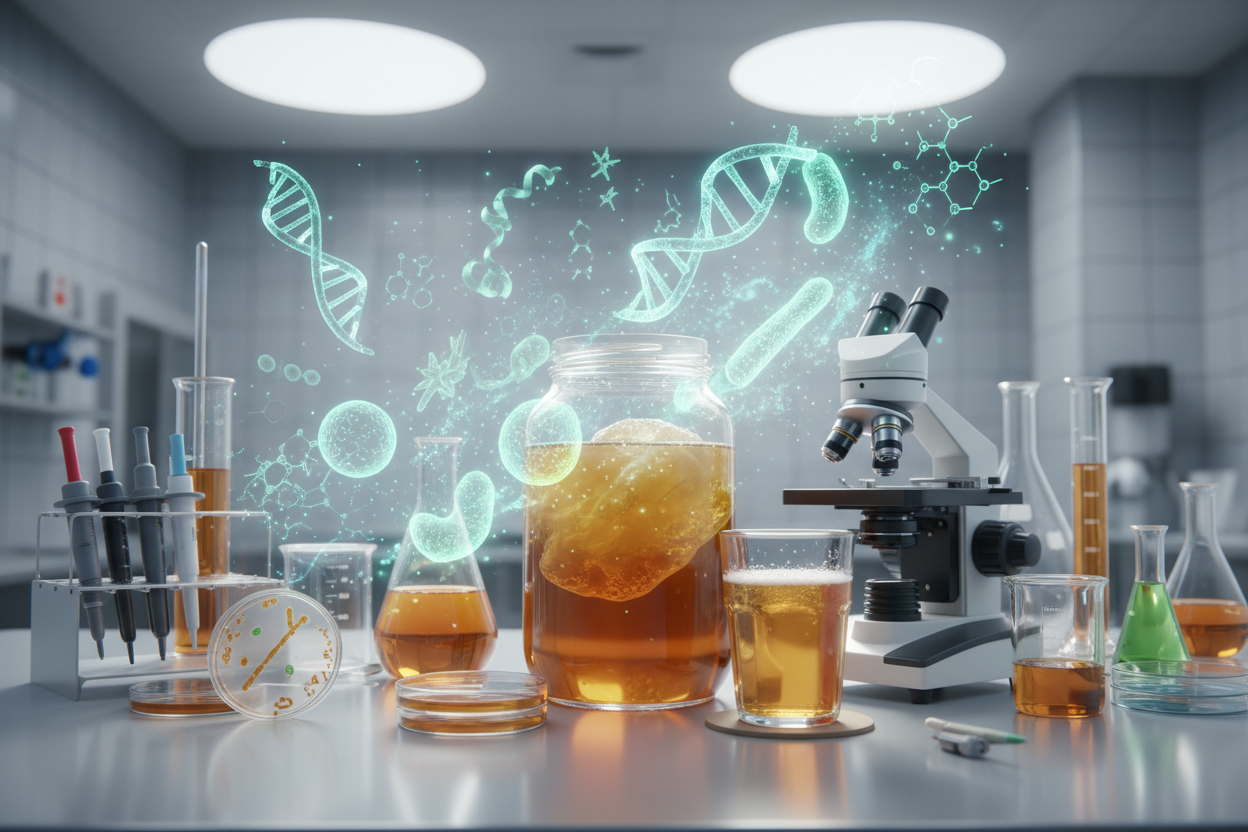
During fermentation, for example, various organic acids, components of the tea used, and different microorganisms can be produced or retained. The concentrations of individual substances can also vary greatly from one kombucha to another.
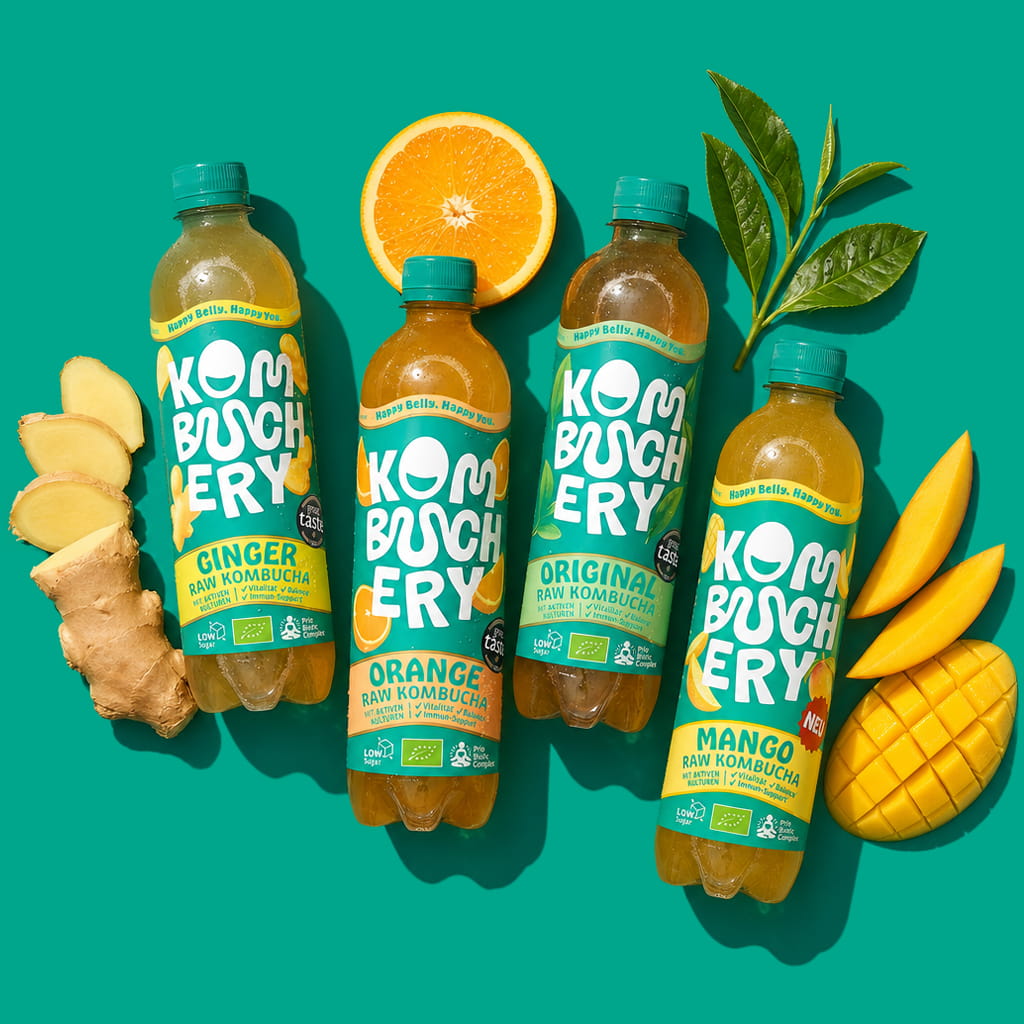
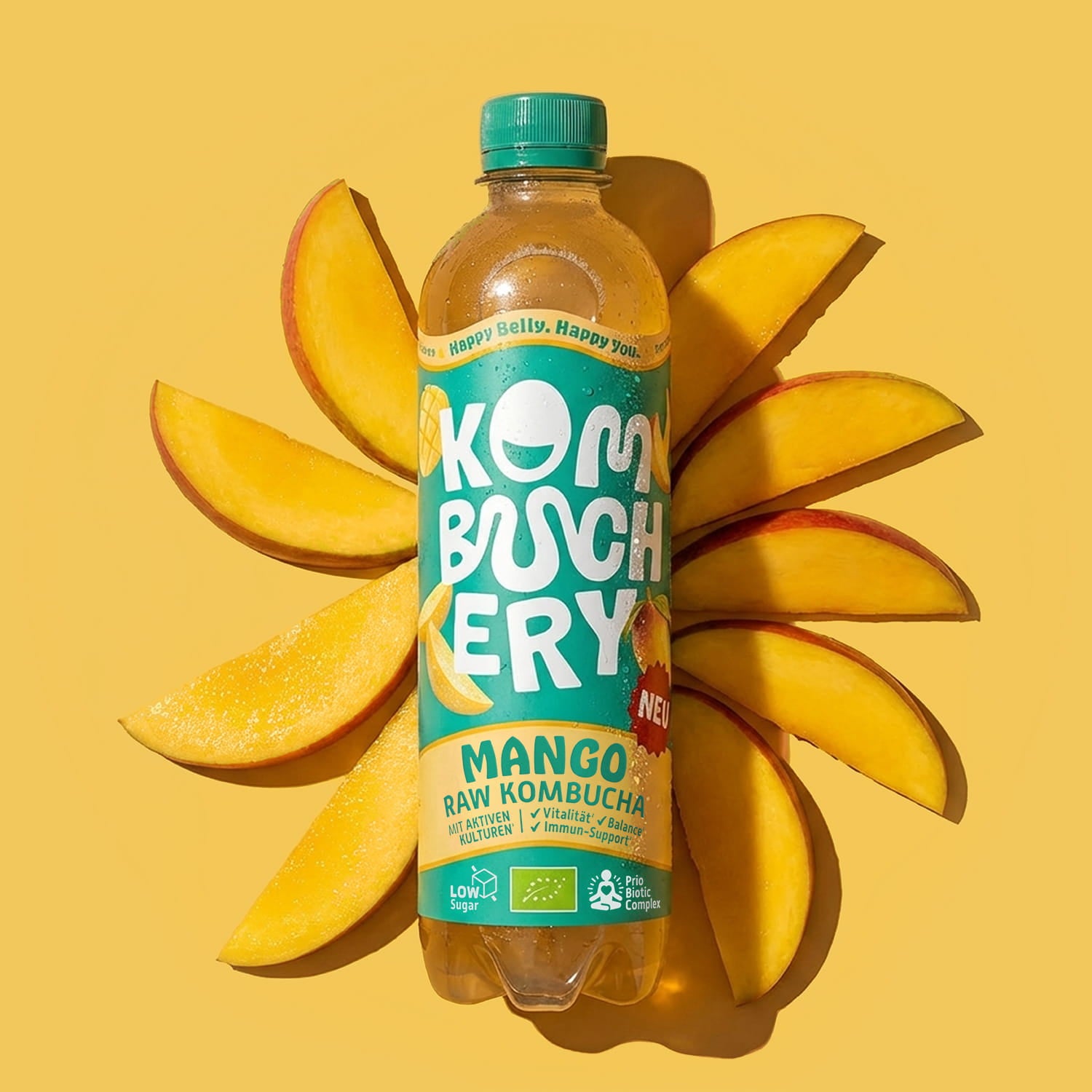
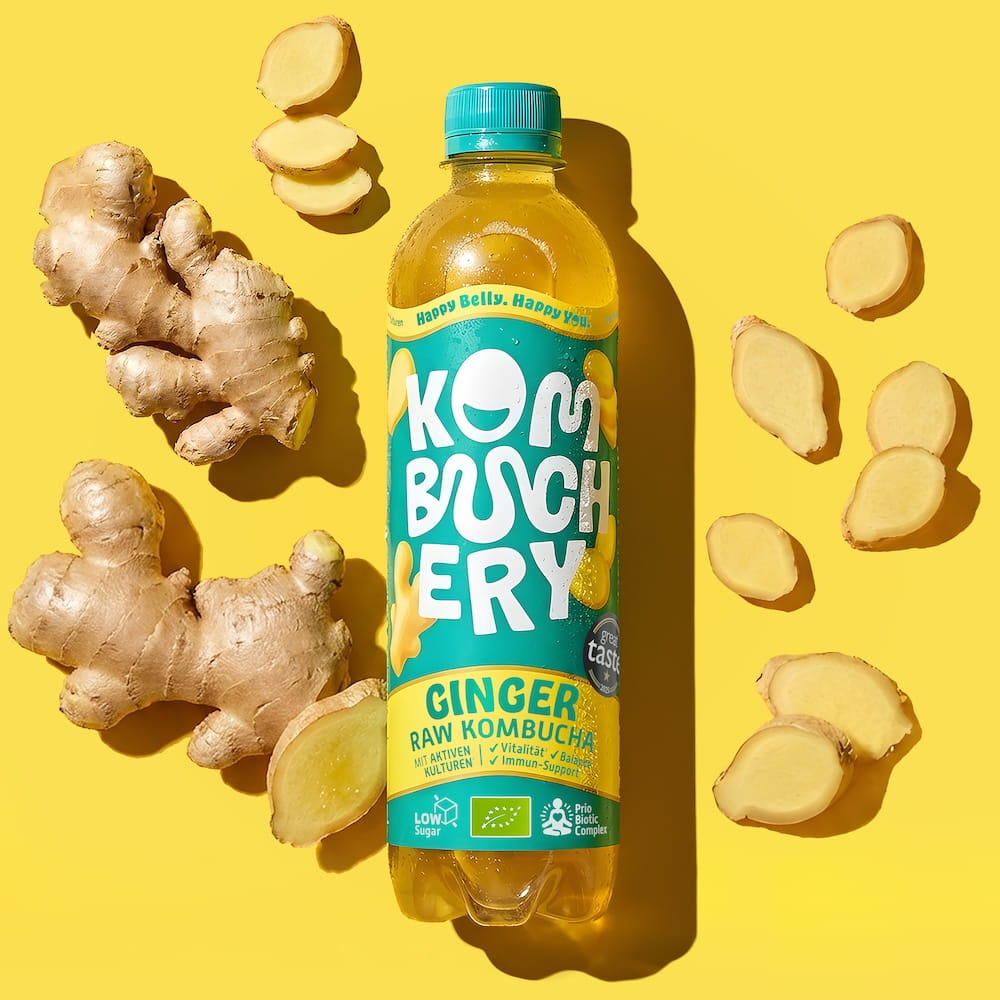
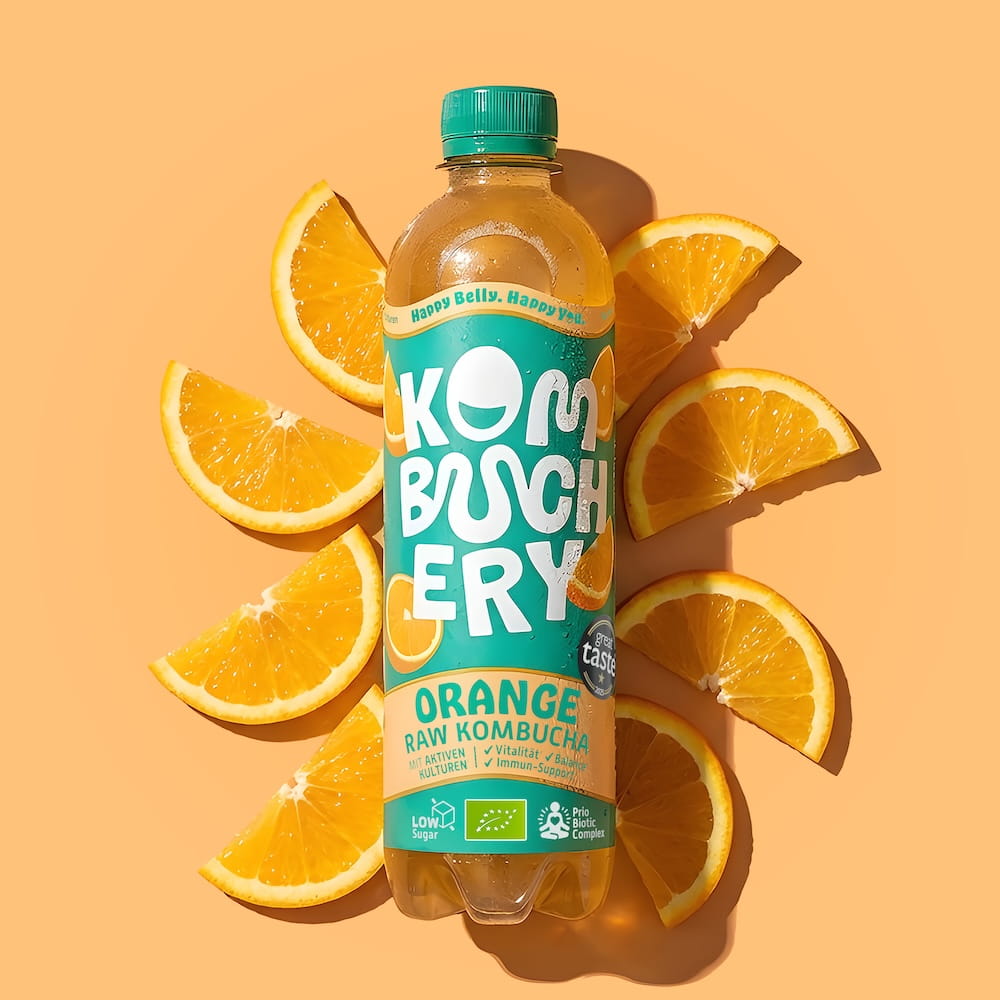
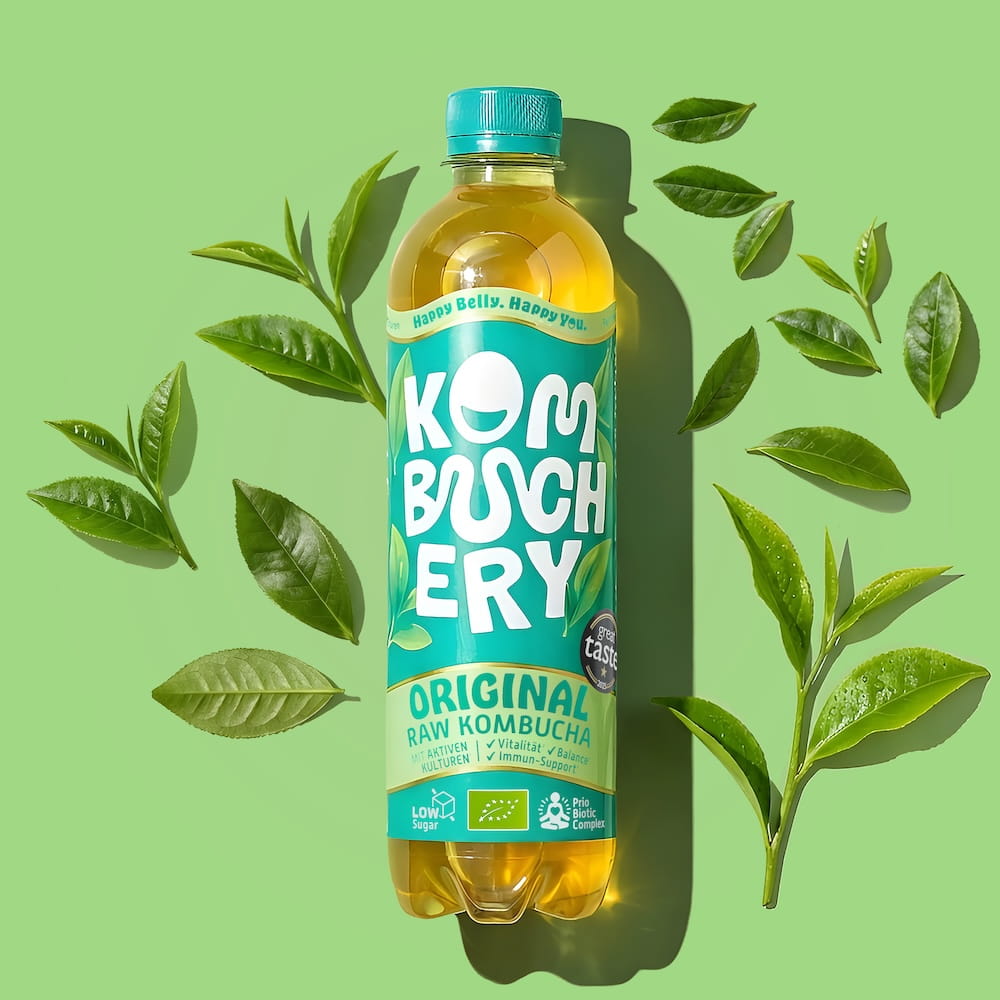
Kombuchery is made from natural mineral water, organic green tea, organic cane sugar, kombucha cultures, and selected organic ingredients. Our raw kombucha also contains vitamin C from acerola and millions of active cultures. You can always find the exact list of ingredients directly with the respective variety.
7. Sugar in Kombucha
Sugar plays an important role in kombucha fermentation. Yeasts and bacteria use it as a food source during fermentation and convert some of it into various fermentation products.
How much sugar remains in the finished kombucha depends on the recipe and manufacturing process. Therefore, kombucha products can differ significantly in their sugar content.
Kombuchery contains only 2.3 g of sugar per 100 ml, which is 50% less sugar than conventional soft drinks. Despite this, the taste remains pleasantly sweet and tart and naturally refreshing.
8. Is Kombucha Suitable for Children?
Kombucha can contain small amounts of alcohol and, depending on the tea used, caffeine. Therefore, kombucha should not be treated like water or other classic thirst quenchers for children.
Whether kombucha is suitable for a child and in what quantity depends on several factors, including age, the specific product, and the individual diet. For young children or if in doubt, it is advisable to consult a pediatrician.
9. Is Kombucha Vegan?
Yes. Although live cultures of yeast and bacteria are involved in kombucha fermentation, these are not animal-derived ingredients.
Kombuchery is 100% vegan and certified by the Vegan Society. Therefore, our raw kombucha is also suitable for a vegan diet.
10. Buy Kombucha or Make It Yourself?
You can either buy ready-made kombucha or ferment it yourself at home with a SCOBY. Both options have their advantages.
If you want to make kombucha yourself, you need tea, sugar, starter liquid, and a suitable kombucha culture, but above all, you need to work cleanly, have some space, and be patient. The taste, tartness, carbonation, and composition can vary from batch to batch.
If you buy ready-made kombucha, on the other hand, you get a controlled beverage with a consistent recipe and defined nutritional values. With Kombuchery, you get unpasteurized raw kombucha with millions of active cultures, vitamin C, and only 2.3 g of sugar per 100 ml.
Whether you prefer to brew your own kombucha or buy it ready-made therefore depends mainly on how much time and motivation you have for fermenting at home.
Summary: What You Should Know About Kombucha
- Shelf Life: It depends on how it is made, bottled, and stored. Please follow the storage instructions on the respective product.
- Fermentation: Bacteria and yeasts convert components of the sweetened tea. This produces organic acids, among other things.
- Alcohol: Alcohol can be produced during fermentation. The actual content depends on the product and manufacturing process.
- Sugar: The residual sugar content varies depending on the recipe and fermentation.
- Diet: Kombucha can be part of a varied diet, but it is not a substitute for a balanced diet.
- Make It Yourself or Buy It: When brewing your own, hygiene and suitable fermentation conditions are important. Ready-made products provide defined ingredient and nutritional information.
Frequently Asked Questions About Kombucha
Can Kombucha Continue to Ferment After Opening?
Yes. In unpasteurized kombucha, microorganisms can remain active. Refrigeration slows their activity, but does not necessarily stop it completely. Therefore, you should follow the instructions on the label and store the opened bottle in the refrigerator.
Does Every Kombucha Contain Alcohol?
Alcohol can be produced during fermentation. The actual amount varies depending on the culture, recipe, temperature, and manufacturing process. The alcohol content of homemade kombucha cannot be reliably determined by fermentation time alone.
How Much Sugar Does Kombucha Contain?
The sugar content depends on the recipe and fermentation conditions. According to the product information, Kombuchery contains 2.3 g of sugar per 100 ml. For comparison, you should always check the nutritional information of the respective product.
Is Unpasteurized Kombucha Automatically Healthier?
Unpasteurized kombucha may contain live bacterial and yeast cultures. However, this does not automatically mean it has a specific health effect. The specific recipe, the microorganisms contained, and the scientific evidence for any claimed effect are all important factors.


Share: