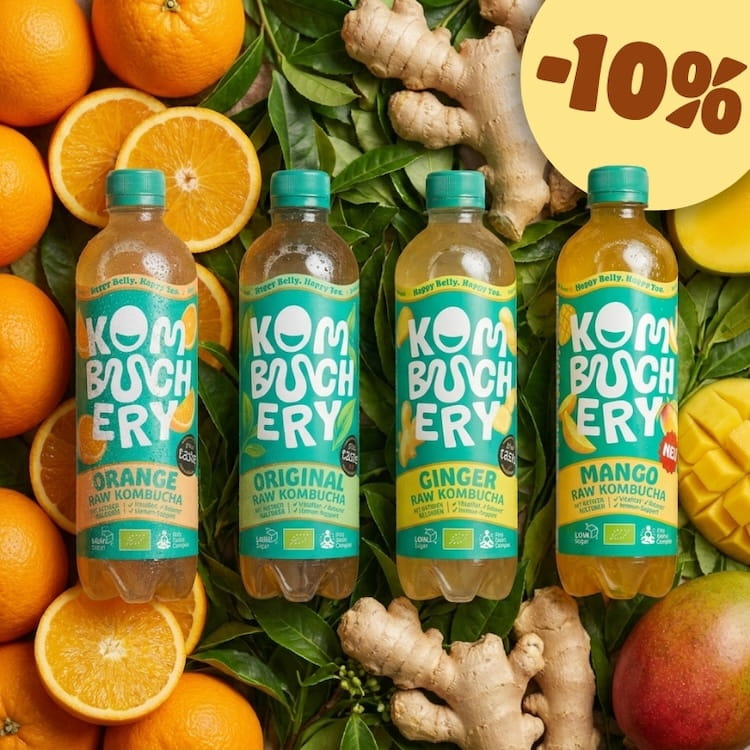
Ready for our Black November Deals?

Save up to 44%: DISCOVER NOW

--

Days

--

Hours

--

Mins

--

Secs
Login

– Before you continue reading –

Not only do we know almost everything about kombucha, we also brew it!

Our 8-times award-winning Raw Kombucha combines millions of active cultures with smart organic ingredients and vitamin C. Thirsty yet? Visit our shop and see for yourself!

Try Kombuchery
Editorial Note: This article deals with general scientific findings on kombucha and not with Kombuchery products. Scientific findings and study results are not automatically transferable to individual foods or products. The article does not replace medical or nutritional advice and is not to be understood as a health-related statement about specific foods or products.

The content is based on scientific literature, publicly available sources, and the author's assessment, and does not claim to be exhaustive. New studies may confirm, supplement, restrict, or refute existing findings. Scientific publications should therefore always be considered in the overall context of the available evidence.

Studies generally refer to the specific conditions, ingredients, microorganisms, dosages, manufacturing processes, and groups of people investigated. The presented results cannot therefore be readily transferred to other foods, recipes, manufacturing processes, or products.

No statements about the effects, properties, or health benefits of specific foods or products can be derived from the information presented.

Health-related claims for foods in the European Union are subject to the applicable legal requirements. The presentation of scientific research is therefore not to be equated with a permissible health-related claim about a food or product.

If you would like to delve deeper into a topic, we recommend consulting the scientific sources linked in the article and other independent specialist literature to gain as comprehensive an understanding as possible of the current state of research.

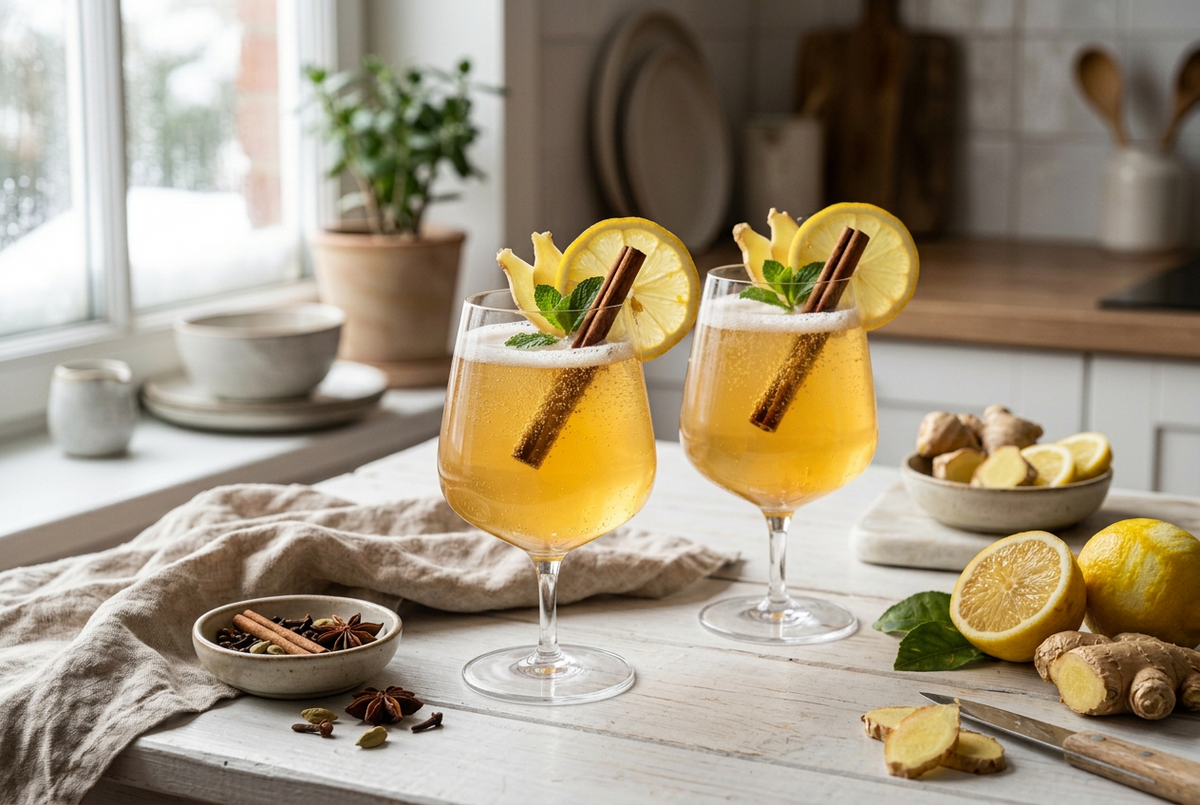
Wenn es draußen kalt und ungemütlich wird, darf es im Glas gerne etwas würziger sein. Unser Ingwer-Kombucha-Zitronen-Drink kombiniert die fein säuerliche Note von Kombucha mit der angenehmen Schärfe von frischem Ingwer und der fruchtigen Frische von Zitrone. Ein Hauch Zimt rundet das Ganze ab und macht den Drink zu einer aromatischen Begleitung für gemütliche Wintertage.

Das Beste daran: Du brauchst nur wenige Zutaten und kannst den Drink ganz einfach selbst mixen. Natürlich ohne Alkohol – dafür mit jeder Menge Geschmack. Ob als alkoholfreie Alternative beim nächsten Treffen mit Freunden oder als besonderer Drink für einen entspannten Abend zu Hause: Dieses Rezept bringt Abwechslung ins Glas.

Warum Kombucha, Ingwer und Zitrone so gut zusammenpassen

Kombucha bringt eine fein säuerliche, leicht herbe Note und eine natürliche Kohlensäure mit. Frischer Ingwer ergänzt den Geschmack mit seiner würzigen Schärfe, während Zitrone für eine fruchtige Frische sorgt. Zusammen entsteht eine spannende Kombination aus säuerlich, würzig und leicht süß.

Besonders gut eignet sich dafür ein Ingwer-Kombucha. Aber auch mit einem klassischen Kombucha kannst du das Rezept zubereiten und den Ingwergeschmack über frischen Ingwer selbst bestimmen.

Ingwer-Kombucha-Zitronen-Drink: Das Rezept ohne Alkohol

Für diesen winterlichen Kombucha-Drink brauchst du nur wenige Zutaten. Der Ingwersud wird zunächst separat zubereitet und anschließend mit Kombucha gemischt. So bleibt möglichst viel von der Kohlensäure im fertigen Getränk erhalten.

Zutaten für 2 Gläser

  • 400 ml Kombucha, am besten mit Ingwernote
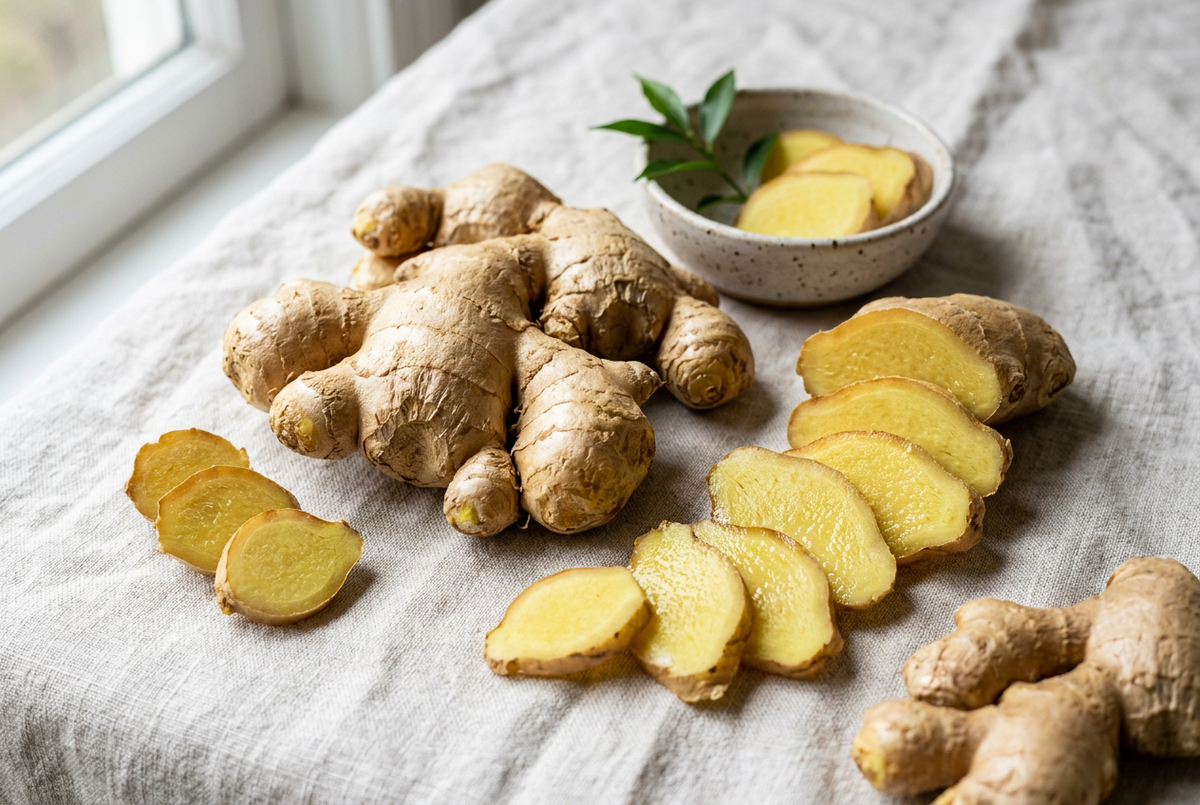
  • ca. 20 g frischer Ingwer
  • 1 Bio-Zitrone
  • 100 ml Wasser
  • 2 TL Honig oder Agavendicksaft (nach Geschmack)
  • 1 kleine Zimtstange (optional)
  • 2 Zitronenscheiben zum Garnieren
  • Optional: frische Minze oder Eiswürfel

So bereitest du den Drink zu

  1. Ingwer vorbereiten: Wasche den Ingwer gründlich und schneide ihn in dünne Scheiben. Schälen ist optional.
  2. Ingwersud kochen: Gib den Ingwer zusammen mit dem Wasser und der optionalen Zimtstange in einen kleinen Topf. Lass alles aufkochen und anschließend bei niedriger Hitze etwa 10 Minuten ziehen.
  3. Zitrone auspressen: Presse währenddessen die Zitrone aus und stelle den Saft kurz beiseite.
  4. Abkühlen lassen: Gieße den Ingwersud durch ein Sieb und lass ihn vollständig abkühlen. Rühre anschließend den Honig oder Agavendicksaft ein.
  5. Mit Kombucha mischen: Verteile den Zitronensaft und den abgekühlten Ingwersud auf zwei Gläser. Fülle sie mit gut gekühltem Kombucha auf und rühre vorsichtig um.
  6. Servieren: Garniere die Gläser mit Zitronenscheiben und nach Belieben etwas frischer Minze. Am besten direkt genießen!

3 Ideen, um deinen Kombucha-Drink zu variieren

Du möchtest etwas experimentieren? Das Grundrezept lässt sich ganz einfach abwandeln. Hier sind drei Ideen für neue Geschmackskombinationen.

1. Mit Orange für eine fruchtige Note

Ersetze einen Teil des Zitronensafts durch frisch gepressten Orangensaft. Die Orange bringt eine mildere, fruchtige Süße mit und harmoniert besonders gut mit Ingwer und Zimt.

2. Mit Zimt und Sternanis für winterliche Aromen

Für eine besonders würzige Variante kannst du den Ingwersud mit einer Zimtstange und einem Sternanis zubereiten. Lass die Gewürze anschließend vollständig abkühlen, bevor du den Sud mit dem Kombucha mischst.

3. Mit Minze und Limette für einen frischen Twist

Du magst es lieber etwas frischer? Verwende statt Zitrone Limette und gib ein paar frische Minzblätter ins Glas. Mit Eiswürfeln serviert wird daraus eine fruchtig-würzige Variante, die auch unabhängig von der Jahreszeit schmeckt.

Warm oder kalt: Wie genießt man den Ingwer-Kombucha-Drink?

Die Kombination aus Ingwer, Zitrone und Zimt passt geschmacklich wunderbar in die kalte Jahreszeit. Für dieses Rezept empfehlen wir allerdings die kalte Zubereitung mit gut gekühltem Kombucha. So bleibt die Kohlensäure besser erhalten und der typische Kombucha-Geschmack kommt zur Geltung.

Du möchtest lieber einen warmen Ingwer-Zitronen-Drink? Dann kannst du den Ingwersud mit Zitrone und Gewürzen auch pur als Heißgetränk genießen. Kombucha solltest du dafür nicht erhitzen, sondern separat und gekühlt servieren oder für eine andere Gelegenheit aufbewahren.

Welcher Kombucha eignet sich für das Rezept?

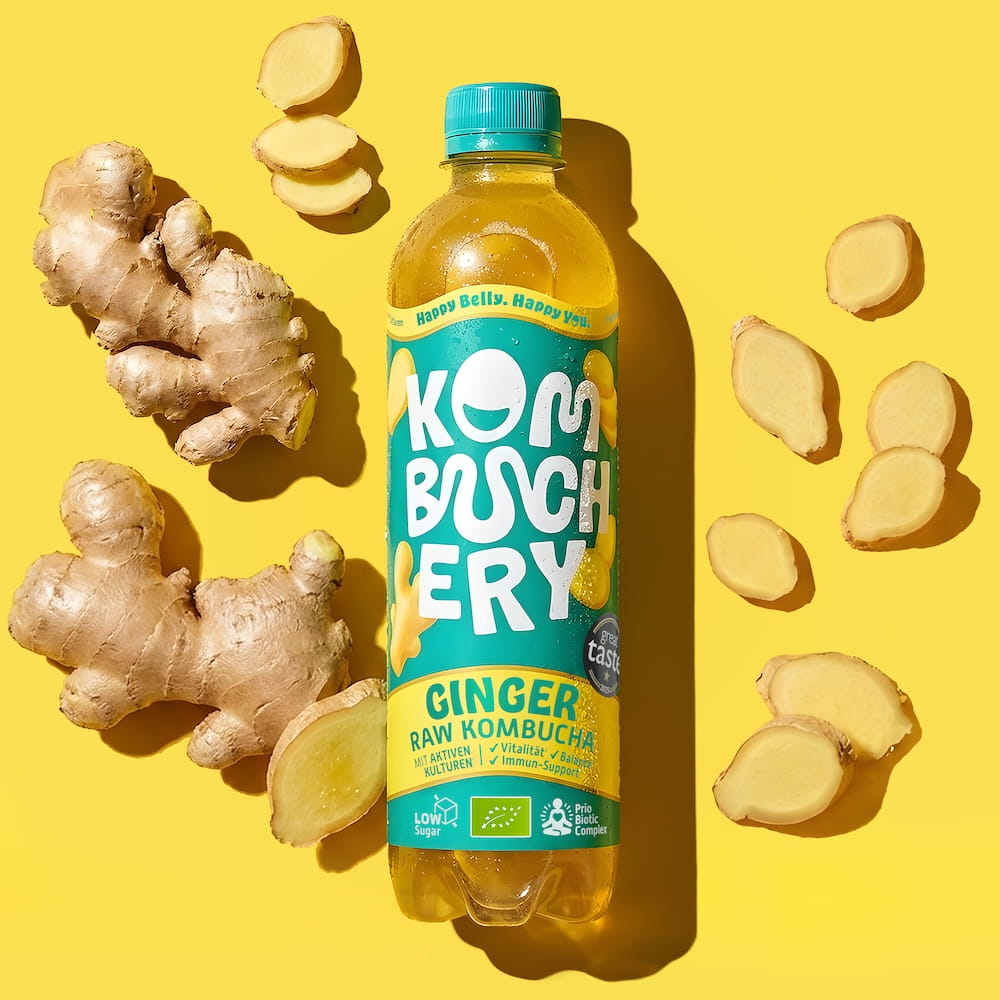
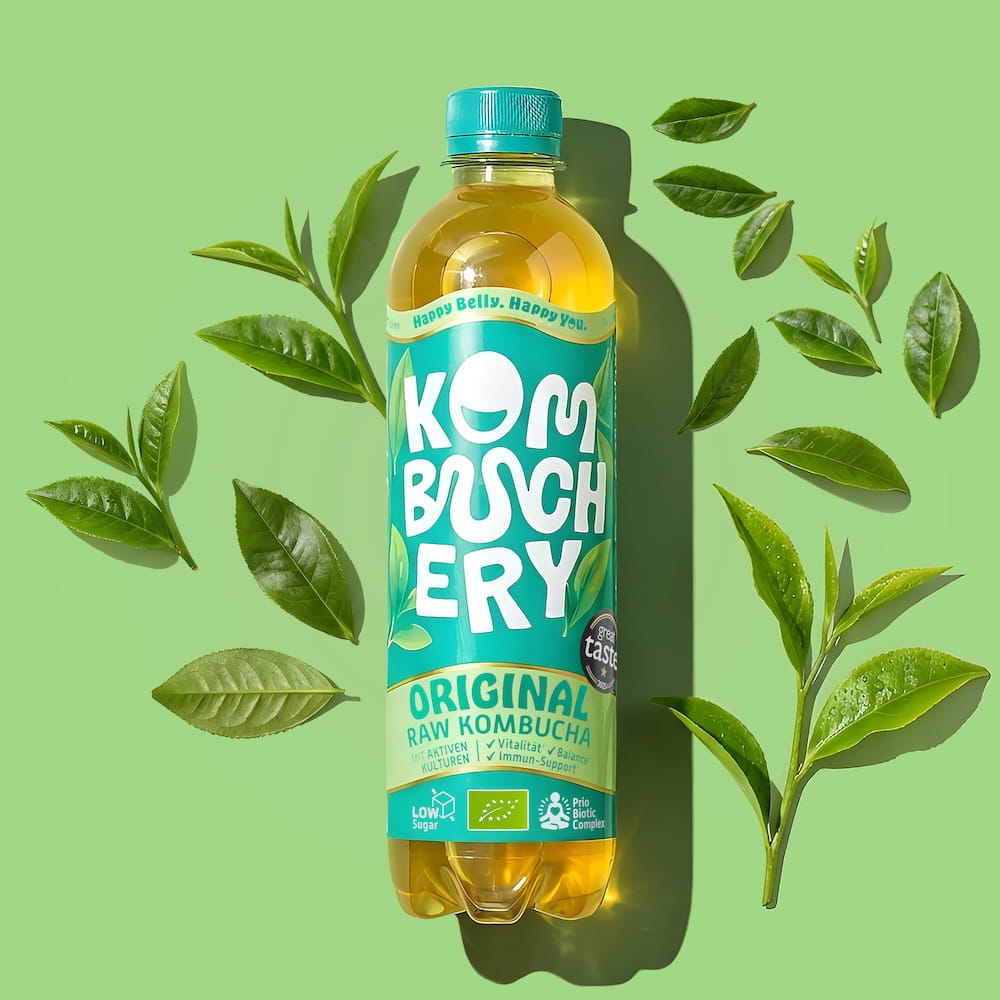
Für den Ingwer-Kombucha-Zitronen-Drink eignet sich besonders eine Sorte mit einer würzigen oder fruchtigen Geschmacksnote. Ein Ginger Kombucha passt mit seinem Ingweraroma natürlich hervorragend. Wenn du es etwas milder magst, kannst du auch Original Kombucha verwenden und die Intensität über die Menge des frischen Ingwers steuern.

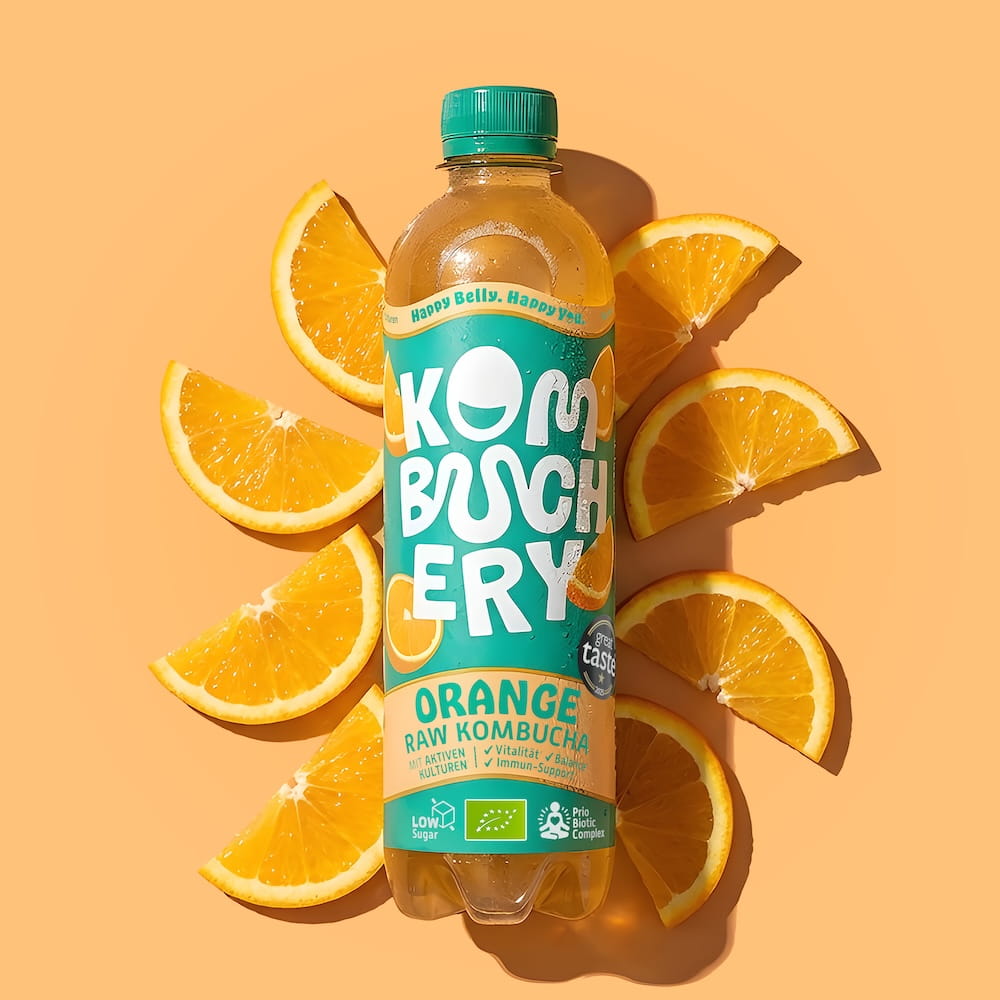
Auch mit fruchtigen Sorten lässt sich experimentieren: Orange bringt beispielsweise eine zusätzliche Zitrusnote ins Glas, während Mango eine fruchtigere Richtung einschlägt. Probiere einfach aus, welche Kombination dir am besten schmeckt.

Tipps für die Zubereitung

  • Ingwersud immer abkühlen lassen: Gib Kombucha erst dazu, wenn der Sud vollständig abgekühlt ist. So vermeidest du, dass das Getränk durch Hitze unnötig verändert wird.
  • Kombucha erst zum Schluss hinzufügen: Dadurch bleibt möglichst viel Kohlensäure im Drink erhalten.
  • Vorsichtig umrühren: Zu starkes Rühren lässt die Kohlensäure schneller entweichen.
  • Süße individuell anpassen: Je nach Kombucha-Sorte und persönlichem Geschmack kannst du mehr oder weniger Honig oder Agavendicksaft verwenden.
  • Frisch genießen: Am besten bereitest du den Drink direkt vor dem Servieren zu.

Fazit: Winterlicher Kombucha-Genuss mit Ingwer und Zitrone

Ein Ingwer-Kombucha-Zitronen-Drink ist eine unkomplizierte Möglichkeit, Kombucha einmal anders zu genießen. Die Kombination aus fein säuerlichem Kombucha, frischem Ingwer, Zitrone und winterlichen Gewürzen sorgt für ein abwechslungsreiches Geschmackserlebnis – ganz ohne Alkohol.

Ob mit Zimt und Orange oder lieber mit Minze und Limette: Das Rezept lässt sich ganz einfach an deinen Geschmack anpassen. Also schnapp dir deinen Lieblingskombucha, ein paar frische Zutaten und probiere deine eigene Variante aus!
Recommended articles for you

More of my articles, from A, like alcohol-free kombucha cocktails, to Z, like lemon-ginger kombucha, can be found on our Kombuchery blog. Let's learn more about kombucha together!

View all

Ingwer-Kombucha-Zitronen-Drink: Würziges Rezept ohne Alkohol für kühle Tage

Ingwer-Kombucha-Zitronen-Drink: Würziges Rezept ohne Alkohol für kühle Tage

Wenn es draußen kalt und ungemütlich wird, darf es im Glas gerne etwas würziger sein. Unser Ingwer-Kombucha-Zitronen-Drink kombiniert die fein säuerliche Note von Kombucha mit der angenehmen Schärfe von frischem Ingwer und der fruchtigen Frische von Zitrone. Ein Hauch Zimt...

Read moreabout Ingwer-Kombucha-Zitronen-Drink: Würziges Rezept ohne Alkohol für kühle Tage

Was ist ein SCOBY-Hotel und wie bewahrt man Kombucha-Kulturen auf?

What is a SCOBY hotel and how do you preserve kombucha cultures?

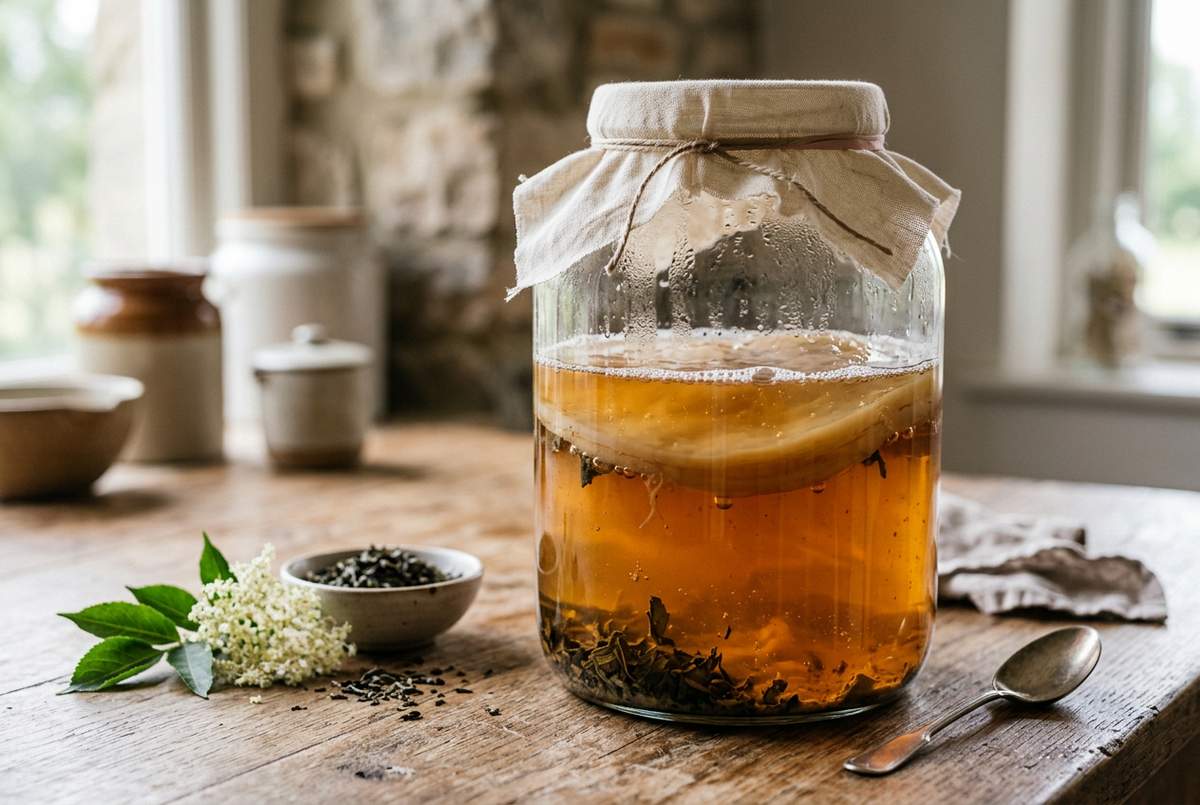
You brew your own kombucha and suddenly you have more SCOBYs than you need for your next fermentation? Or you want to take a little break from brewing kombucha without giving up your culture? Then a so-called SCOBY hotel is...

Read moreabout What is a SCOBY hotel and how do you preserve kombucha cultures?

Fermentierte Lebensmittel im Winter: Welche Zutaten haben Saison?

Fermented foods in winter: Which ingredients are in season?

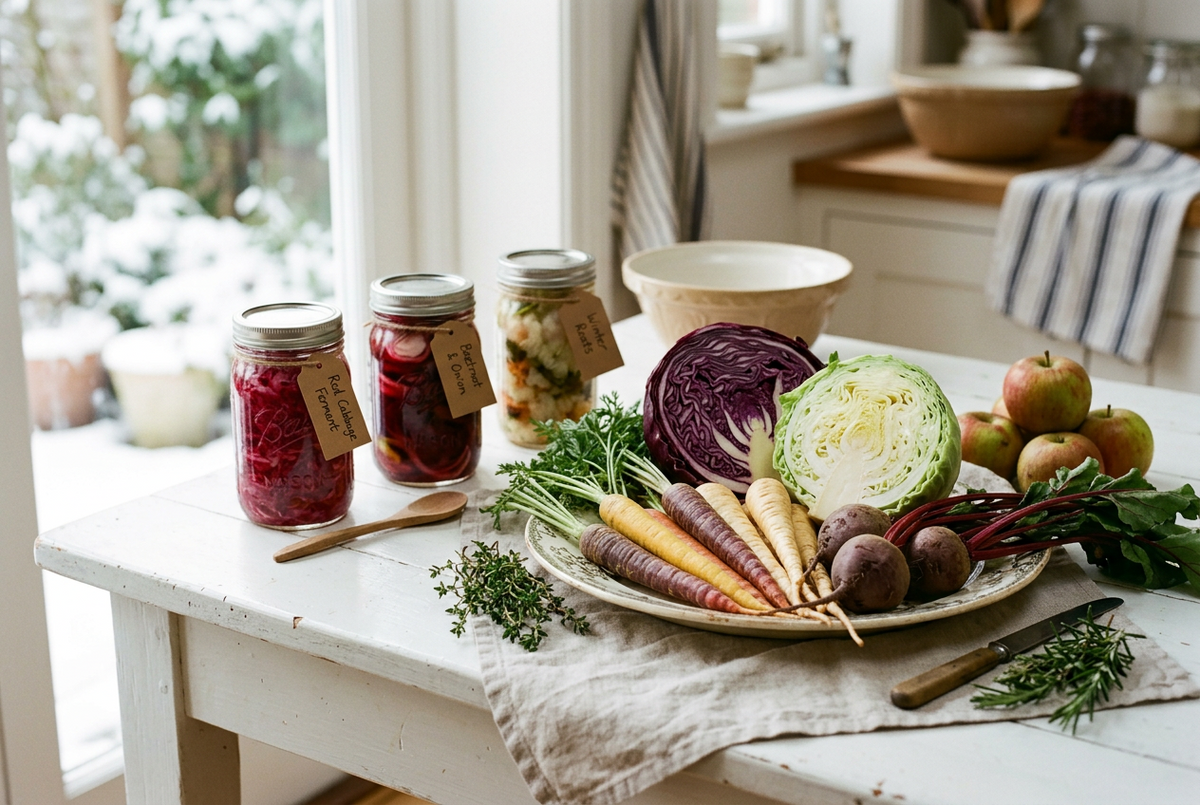
When it gets colder outside, the selection of fresh ingredients in the kitchen also changes. Instead of summer tomatoes and zucchini, cabbage, carrots, beetroot, and root vegetables now take center stage. Many of these ingredients can be wonderfully fermented and...

Read moreabout Fermented foods in winter: Which ingredients are in season?

Warum enthält Kombucha Zucker, obwohl er fermentiert wird?

Why does kombucha contain sugar even though it is fermented?

You may have already wondered: Why does kombucha contain sugar even though it is fermented? After all, some of the sugar is converted by yeasts and bacteria during fermentation. But it doesn't have to disappear completely. In this article, you...

Read moreabout Why does kombucha contain sugar even though it is fermented?

Kombucha Ginger im Porträt: Wie schmeckt Ingwer-Kombucha?

Kombucha Ginger in Focus: What Does Ginger Kombucha Taste Like?

You like ginger and are wondering what it tastes like in kombucha? Then you will discover an exciting combination here: ginger kombucha combines the characteristic taste of fermented tea with the spicy note of ginger. The result is a drink...

Read moreabout Kombucha Ginger in Focus: What Does Ginger Kombucha Taste Like?

Was ist Raw Kombucha? Der Unterschied zu pasteurisiertem Kombucha

What is raw kombucha? The difference compared to pasteurized kombucha

You've heard of raw kombucha before, but you're not sure what it is? Then you've come to the right place! There is an important difference when it comes to kombucha: some varieties are pasteurized after fermentation, while others remain raw....

Read moreabout What is raw kombucha? The difference compared to pasteurized kombucha

Herbstliche Kombucha-Rezepte: 5 Ideen mit Apfel, Birne und Gewürzen

Autumn Kombucha Recipes: 5 Ideas with Apple, Pear, and Spices

When the days get shorter, the air outside smells of autumn, and we make ourselves cozy at home, a little autumn can also move into the glass. 🍂 How about fruity apple, juicy pear, a pinch of cinnamon, and a...

Read moreabout Autumn Kombucha Recipes: 5 Ideas with Apple, Pear, and Spices

Mate Tee Trinkhalm Mateteegefaess

Mate Kombucha: What you should know about mate tea, caffeine, and yerba mate

Mate tea meets kombucha Mate and kombucha can be combined for an exciting flavor profile: the characteristically bitter, slightly smoky taste of mate meets the typical sweet-tart note of fermented kombucha. Mate tea has a long tradition, especially in South...

Read moreabout Mate Kombucha: What you should know about mate tea, caffeine, and yerba mate

Schwangere Frau im Anschnitt grosser Bauch Wiese Abendsonne

Is kombucha suitable for pregnant women and children? All about the alcohol content

Who should drink kombucha? Kombucha is a fermented tea drink. Fermentation can produce small amounts of alcohol. Depending on the tea used, kombucha may also contain caffeine. But how is alcohol actually produced in kombucha? How high can the alcohol...

Read moreabout Is kombucha suitable for pregnant women and children? All about the alcohol content

¹at the time of bottling
²Vitamin C contributes to the normal function of the immune system, normal energy-yielding metabolism, and the protection of cells from oxidative stress.
  • Vitamin C contributes to the normal function of the immune system.
  • Vitamin C contributes to normal psychological function.
  • Vitamin C contributes to normal energy-yielding metabolism.
  • Vitamin C contributes to the reduction of tiredness and fatigue.
  • Vitamin C contributes to the normal functioning of the nervous system.
  • Vitamin C contributes to the protection of cells from oxidative stress.
  • Vitamin C contributes to the regeneration of the reduced form of vitamin E.
  • Vitamin C contributes to normal collagen formation for the normal function of the skin.
  • Vitamin C contributes to normal collagen formation for the normal function of blood vessels.
  • Vitamin C contributes to normal collagen formation for the normal function of bones, cartilage, teeth and gums.
  • Vitamin C increases iron absorption.