Kombucha Guide
Become a Kombucha expert with us
You want to do more than just enjoy our kombucha, and learn much more about the fermented tea drink? Then you've come to the right place! We have summarized the most important blog articles for you. Step by step, you can become a real kombucha expert. You can find more interesting articles on the topic of kombucha, fermentation and delicious recipes on our blog.
Editorial note: These articles deal with general scientific findings on kombucha and not with Kombuchery products. Scientific findings and study results are not automatically transferable to individual foods or products. The articles do not replace medical or nutritional advice and are not to be understood as health-related statements about specific foods or products.
The content is based on scientific literature, publicly available sources, and the author's assessment, and does not claim to be exhaustive. New studies may confirm, supplement, restrict, or refute existing findings. Scientific publications should therefore always be considered in the overall context of the available evidence.
Studies generally refer to the specific conditions, ingredients, microorganisms, dosages, manufacturing processes, and groups of people investigated. The presented results cannot therefore be readily transferred to other foods, recipes, manufacturing processes, or products.
No statements about the effects, properties, or health benefits of specific foods or products can be derived from the information presented.
Health-related claims for foods in the European Union are subject to the applicable legal requirements. The presentation of scientific research is therefore not to be equated with a permissible health-related claim about a food or product.
If you would like to delve deeper into a topic, we recommend consulting the scientific sources linked in the article and other independent specialist literature to gain as comprehensive an understanding as possible of the current state of research.
Kombucha for beginners - everything you need to know!
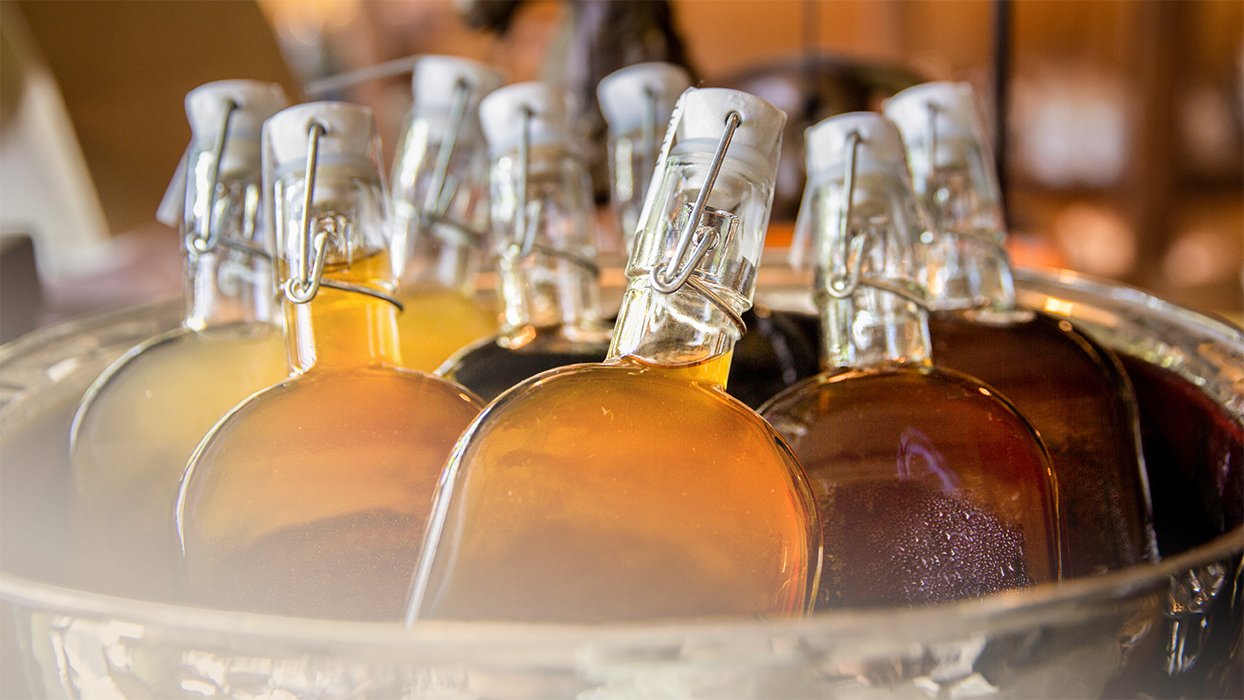
What is Kombucha? Which ingredients can be formed during fermentation? How exactly does fermentation work? We answer the most important questions about the fermented tea drink and explain how you can easily make Kombucha yourself.
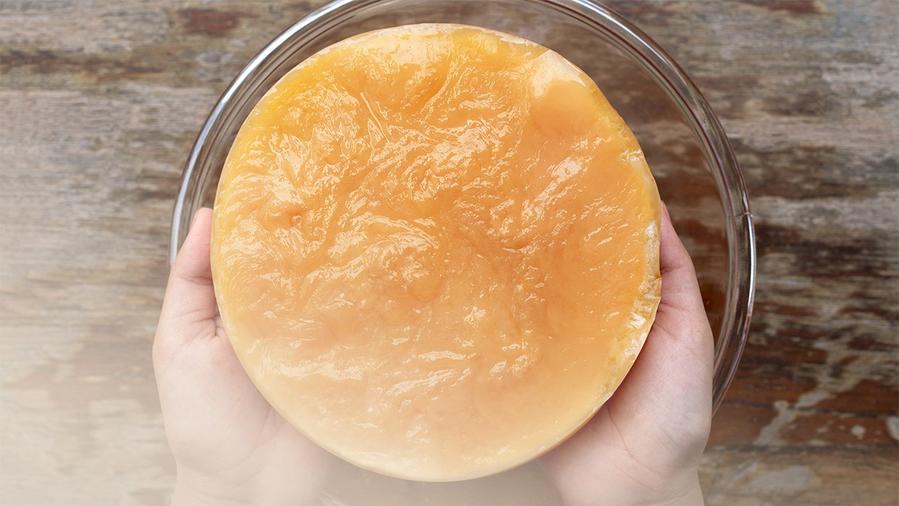
All information about Kombucha Scoby!
What does the name SCOBY stand for? How does the kombucha culture work? And how can you grow your own SCOBY at home? You can find answers to these questions and much more information about kombucha SCOBY in this article.
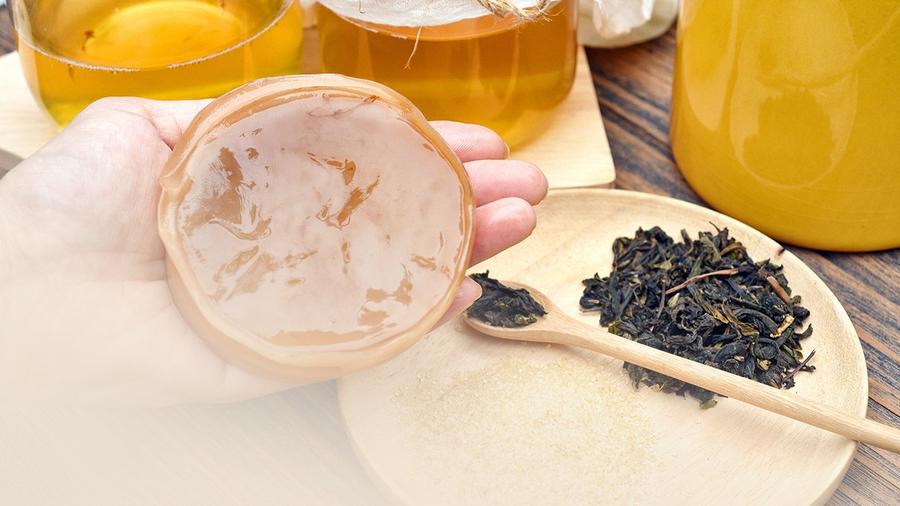
Kombucha Mushroom: Everything you need to know about the beneficial tea fungus
What is a mushroom doing in my drink? Why the kombucha culture is not actually a mushroom and how it helps turn simple ingredients into a healthy refreshing drink. In addition to all sorts of interesting facts about the tea fungus, you'll also learn how to grow your own kombucha culture at home. Let's go!
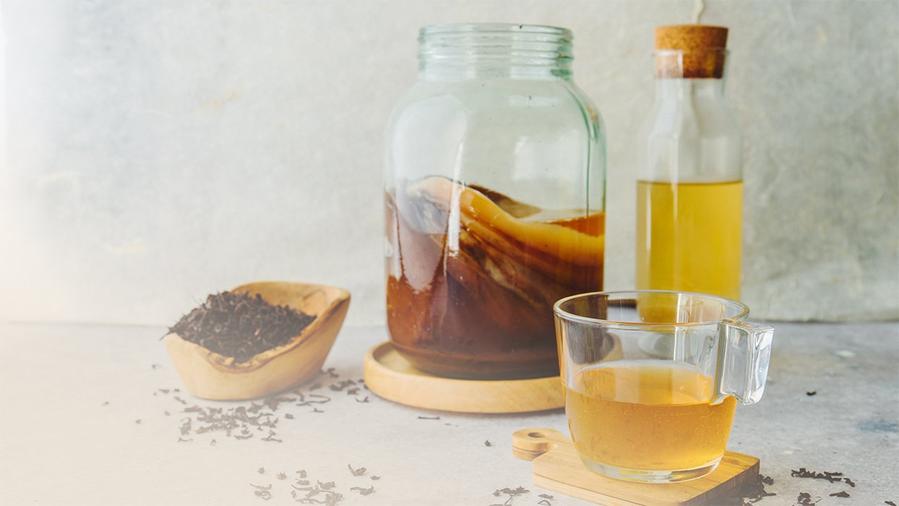
Make your own kombucha: Kombucha recipe for beginners
With this article, you will quickly realize that making your own kombucha is not witchcraft. Our recipe explains step-by-step how to ferment your first own kombucha at home. With our video tutorial and detailed expert tips, you are sure to succeed.
Our blog reading recommendations: